Loading...
Strategic analysis, in-depth research and expert perspectives on contemporary global issues.
The International Institute for Geopolitical Studies (IIEG) is an analysis and action platform dedicated to global geopolitical transformations, with a particular focus on the Mediterranean, Africa, the Caucasus and Central Asia.
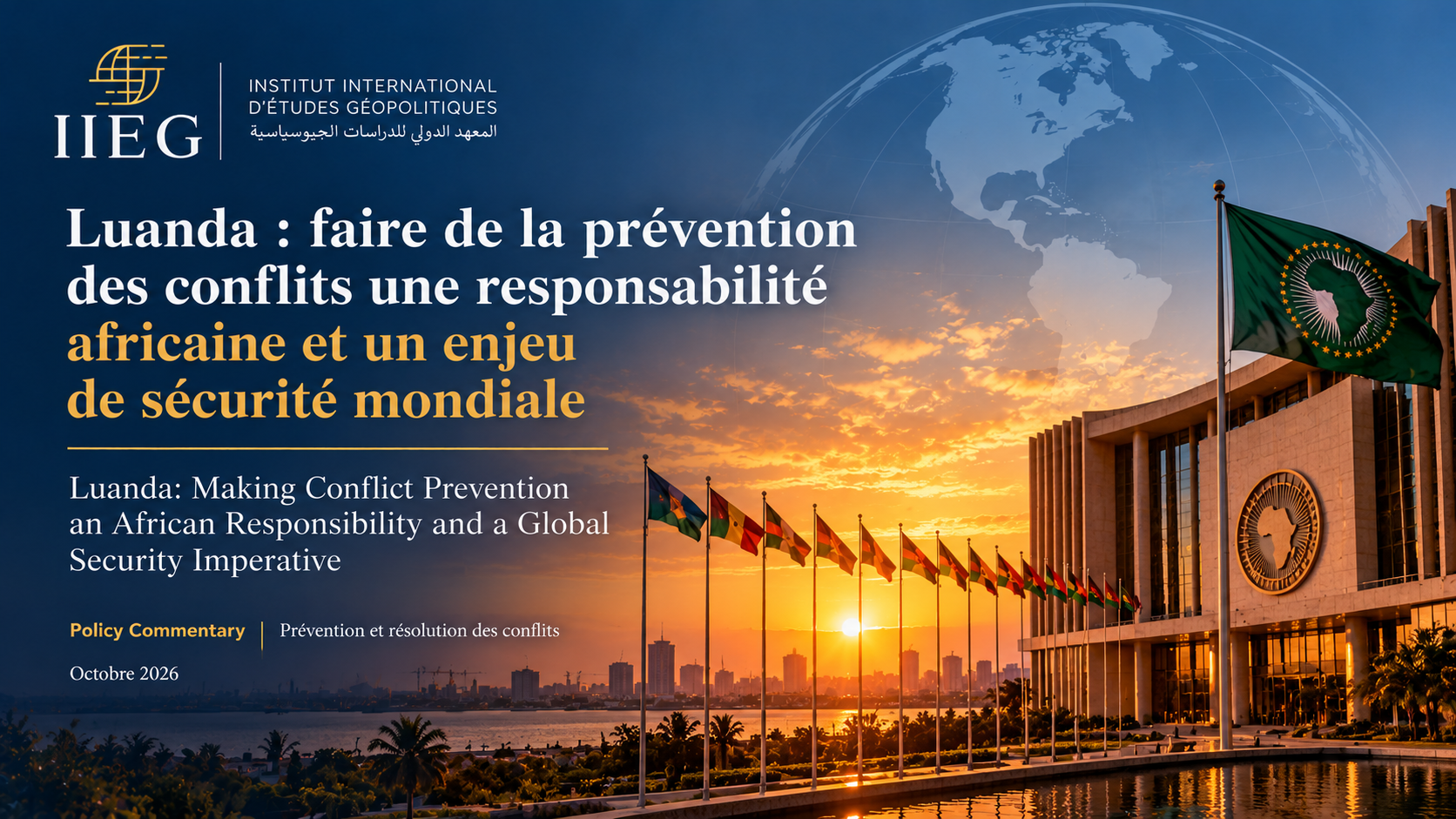
A report prepared under the direction of the Conflict Prevention and Resolution DivisionContributors:Khaled Hamadé, Abdoulaye Sène, Wafae Aziz, Karim MourtadaA New Chapter for Peace and Security in AfricaThe Conflict Prevention and Resolution Division of the International Institute for Geopolitical Studies (IIEG) has closely followed the discussions held in Luanda on strengthening African mechanisms for conflict prevention and resolution.This extraordinary session of the African Union comes at a time when the African continent, like the international system as a whole, is facing a proliferation of crises, changing forms of conflict, and the weakening of certain traditional regulatory mechanisms.In this context, the adoption of the Luanda Action Plan and its implementation matrix should not be regarded as yet another political declaration.It reflects a deeper ambition: to gradually move from a culture of crisis response towards a genuine culture of prevention.For the IIEG, this transformation is precisely where Luanda's strategic significance lies.Africa's challenge is no longer simply to possess early-warning, mediation, and crisis-management mechanisms. It is now to ensure that strategic information is translated into political decisions early enough, and that those decisions are subsequently translated into action.The African Paradox of PreventionAfrica is not starting from scratch.Over recent decades, the continent has developed a substantial institutional architecture for peace and security: the African Union Peace and Security Council, early-warning mechanisms, the Panel of the Wise, mediation arrangements, regional economic communities, and peace-financing instruments.The challenge is therefore not merely to create new instruments.It also lies in ensuring that existing mechanisms operate in a coordinated, sufficiently rapid, and politically effective manner.This is where what might be described as the African paradox of prevention emerges: warning signs of an impending crisis may be identified without the necessary diplomatic or political action always being initiated before the situation deteriorates.Between identifying a risk and undertaking preventive intervention, a critical gap remains, shaped by state sovereignty, divergent interests, fragmented decision-making mechanisms, financial constraints, and, at times, insufficient political will.Luanda must contribute precisely to narrowing this gap.Africa Is No Longer a Peripheral Arena of Global CrisesAfrican conflicts can no longer be analysed independently of transformations in the international system.From the Sahel to the Horn of Africa, from the Great Lakes region to Sudan and Libya, crises are increasingly embedded in interconnected conflict dynamics involving domestic developments, regional rivalries, and international competition.Energy, food and water security, migration, terrorism, transnational trafficking, climate change, emerging technologies, and competition over strategic resources can all act as factors of vulnerability, escalation, or internationalisation of crises.At the same time, the consequences of African conflicts extend far beyond the borders of the states concerned and, frequently, beyond the continent itself.The distinction between a national crisis, a regional crisis, and an international security issue is therefore becoming increasingly difficult to establish.Africa's security is now an integral component of international security.Africa must consequently be regarded not only as a region requiring preventive mechanisms, but also as a fully fledged actor in global stability.This development requires strengthening African capacities for anticipation, mediation, and conflict resolution, while establishing more effective cooperation mechanisms between the African Union, regional organisations, the United Nations, and other international actors.The Water–Climate–Security Nexus: A Central Dimension of PreventionConflict prevention must now fully incorporate hydro-diplomatic and environmental dimensions.Water, climate, and security are no longer separate issues. They form an interconnected system of vulnerabilities, particularly evident in regions facing resource scarcity, land degradation, population displacement, and competition among agricultural, pastoral, urban, industrial, and energy uses.The Water–Climate–Security Nexus provides a framework for understanding how environmental stress can amplify existing tensions, undermine social stability, and accelerate the regionalisation of crises.Transboundary river basins, pastoral areas, lake regions, and territories experiencing significant demographic pressure should therefore be considered priority areas for preventive diplomacy.Shared water management can become a driver of cooperation, provided it is supported by dialogue mechanisms, transparency, data sharing, and dispute-resolution procedures.Conversely, the absence of coordination can transform local tensions into intercommunity crises and subsequently into disputes between states.Anticipation must therefore combine climate, hydrological, agricultural, demographic, and security data to identify risks before they escalate into violence.This approach also requires the participation of public authorities, regional organisations, local communities, farmers, pastoralists, water-sector stakeholders, and civil society organisations.Water diplomacy should not be understood solely as negotiations between governments: it can also become a preventive instrument serving territories and populations.From Early Warning to Action: The Real Challenge of PreventionOne of Luanda's principal lessons is the need to identify the drivers of crises before they develop into open conflict.This approach directly reflects the vision promoted by the IIEG's Conflict Prevention and Resolution Division.Preventing conflict does not simply mean preventing the outbreak of hostilities.It also means:Identifying early warning signs;Understanding the underlying causes of tensions;Analysing political, economic, social, environmental, and territorial dynamics;Integrating interactions between water, climate, resources, and security;Mapping stakeholders and their interests;Identifying actors capable of facilitating mediation;Anticipating the regional and international repercussions of crises;Developing possible scenarios;Proposing, whenever feasible, options for prevention, mediation, and de-escalation.Prevention must therefore become a permanent function of strategic analysis and decision-making support.However, early warning is truly useful only when it leads to early action.The challenge is consequently not merely to improve crisis detection, but to shorten the time between identifying a risk and taking a political decision.Bottom-Up Prevention: Community and Local MediationPrevention cannot be effective if it remains exclusively institutional, diplomatic, or top-down.Many crises originate in local tensions involving land disputes, access to water, transhumance, community rivalries, challenges to authority, economic marginalisation, or perceptions of injustice.At this level, local actors often possess a detailed understanding of power relations, accumulated grievances, and opportunities for compromise.Community and local mediation must therefore be recognised as an essential first level of prevention.Traditional leaders, religious authorities, women's and youth associations, pastoral and agricultural organisations, locally elected representatives, community mediators, and civil society organisations can help defuse tensions before they become militarised or politically exploited.Such bottom-up prevention requires strengthening local dialogue capacities, creating regular consultation forums, and ensuring the participation of directly affected groups, particularly women, young people, and displaced populations.However, this approach should not be idealised.Traditional mechanisms may themselves be contested, exclude certain population groups, or reproduce existing power imbalances.They must therefore be connected to public institutions, regional mechanisms, and human rights protection standards.Community → Local Authority → State → Regional Organisation → African Union → International PartnersThe objective is to establish a multilevel prevention chain capable of identifying emerging tensions and rapidly mobilising the resources and mediators best suited to each situation.National Sovereignty and African ResponsibilityAny ambitious prevention policy nevertheless faces a structural difficulty.Acting sufficiently early may sometimes require diplomatic engagement while a crisis still formally falls within a state's internal affairs.Prevention therefore raises a fundamental political question:How can respect for national sovereignty be reconciled with the need to act when an internal crisis threatens to become a source of regional destabilisation?This question cannot be avoided.Prevention can become a collective African responsibility only if states progressively recognise that anticipation, dialogue, and mediation do not necessarily undermine sovereignty.On the contrary, they may help preserve sovereignty by preventing the deterioration of political and institutional mechanisms.The credibility of Africa's peace and security architecture will therefore also depend on its capacity to build this trust.Prevention Also Requires FinancingAfrican strategic autonomy in conflict prevention cannot be separated from the question of financing.There can be no genuine African ownership of prevention without the capacity to sustainably finance early-warning systems, mediation, preventive diplomacy, and peacebuilding mechanisms.Excessive dependence on external financing can undermine the continuity of preventive mechanisms and limit the decision-making autonomy of African institutions.Strengthening African capacities to finance peace must therefore be considered not merely a budgetary issue, but also a matter of strategic autonomy.Africa's ability to prevent its own crises will also depend on its capacity to mobilise the resources necessary for action.Clarifying Coordination Among StakeholdersPrevention also requires more effective coordination between different levels of decision-making.The African Union, the Peace and Security Council, member states, regional economic communities, the United Nations, and mediation actors may all become involved simultaneously in the same crisis.This multiplicity is an asset when it enables complementary capacities to be mobilised.It becomes a weakness when it produces diplomatic competition, duplicated initiatives, or diluted responsibilities.An operational question must therefore remain central to the discussions initiated in Luanda:Who detects? Who raises the alarm? Who decides? Who mediates? And within what timeframe?An alert that circulates without triggering a decision does not, in itself, constitute a prevention policy.Likewise, competing mediation initiatives may sometimes reduce the effectiveness of diplomatic action that requires unity, coherence, and speed.Strengthening coordination between continental institutions, states, regional organisations, and local actors is therefore one of the major challenges facing any African prevention architecture.From Prevention to PeacebuildingConflict prevention must not be regarded as an isolated activity.It forms part of a continuum:Anticipation → Prevention → Mediation → De-escalation → Resolution → PeacebuildingWhen a conflict cannot be prevented, the objective becomes to prevent its expansion, regionalisation, or escalation.Once an agreement is reached, the challenge shifts to preventing the re-emergence of the factors that caused the crisis.A genuine prevention policy must therefore be conceived before, during, and after conflicts.The IIEG: Analyse, Anticipate, and ProposeWithin this dynamic, the International Institute for Geopolitical Studies intends to contribute to the discussions initiated in Luanda in accordance with its own mission: producing analysis, shedding light on conflict dynamics, and formulating proposals capable of enriching reflection on conflict prevention and resolution.The IIEG does not seek to replace states, the African Union, regional organisations, or international institutions responsible for implementing peace and security policies.Its role is that of an independent research and analysis institute.Through its Conflict Prevention and Resolution Division, it can nevertheless contribute to examining the strategic questions raised in Luanda by mobilising a geopolitical, forward-looking, and multidisciplinary approach.The Division's work may focus in particular on structural drivers of conflict, early warning signs of emerging crises, interactions between national, regional, and international dynamics, and the conditions required to strengthen prevention, mediation, and de-escalation mechanisms.Particular attention may also be given to coordination among stakeholders, the political and economic conditions of prevention, the consequences of international geopolitical realignments for African crises, and emerging vulnerabilities that could affect continental stability.Specific consideration may be devoted to the Water–Climate–Security Nexus and local prevention mechanisms.Based on its analyses and studies, the IIEG may formulate proposals, identify avenues for further reflection, and develop scenarios that contribute to the strategic debate on the evolution of African conflict prevention and resolution mechanisms.Two Foresight Instruments to Support Strategic ReflectionTo translate this analytical and advisory capacity into concrete initiatives, the IIEG could develop two complementary instruments, conceived as tools for research, foresight, and dialogue rather than institutional monitoring or intervention mechanisms.A Foresight Barometer of Early Warning SignalsThe Conflict Prevention and Resolution Division could develop a Foresight Barometer of Early Warning Signals to structure the monitoring of factors likely to foreshadow a crisis or accelerate its deterioration.This barometer would combine political, social, economic, environmental, climate, hydrological, and security indicators, including community tensions, population displacement, land and water disputes, breakdowns in dialogue, pressure on essential resources, disinformation, local or cross-border violence, and signs of militarisation or internationalisation.Its purpose would not be to mechanically predict conflicts or evaluate the performance of competent institutions.Rather, it would provide forward-looking assessments of vulnerabilities, trends, and potential tipping points.It could result in periodic analytical briefs, risk maps, territorial profiles, and thematic studies.Preventive Diplomacy RoundtablesIn parallel, the IIEG could organise Preventive Diplomacy Roundtables bringing together, depending on the subject, researchers, diplomats, experts, institutional representatives, local actors, community mediators, and civil society organisations.These forums would aim to compare analyses, identify differences in interpretation, explore de-escalation scenarios, and generate proposals.Particular attention could be given to emerging crises, transboundary water basins, pastoral areas, and territories highly exposed to the effects of climate change.The IIEG would thus position itself as an independent platform for reflection and dialogue, without replacing official mediators or competent institutions.These two instruments would create closer links between foresight analysis, early warning signals, multidisciplinary expertise, and the formulation of proposals.This contribution fully reflects the mission of a geopolitical research institute: not to make decisions in place of competent institutions or oversee their actions, but to understand ongoing transformations, anticipate risks, and place expertise at the service of informed proposals.From Analysis to ProposalsConflict prevention requires a permanent capacity to think ahead of crises.Geopolitical analysis can help identify vulnerabilities, connect phenomena that are often studied separately, and explore alternative scenarios.It is within this space that the IIEG's Conflict Prevention and Resolution Division intends to position its contribution.Depending on the subjects and situations examined, its work may produce analyses, foresight studies, strategic briefs, and proposals intended to inform reflection on ways to prevent the emergence, escalation, or regionalisation of crises.This approach rests on a fundamental conviction:Research and analysis do not replace political and diplomatic action, but they can help guide it more effectively.From Luanda to the World: Rethinking PeaceThe true significance of Luanda extends beyond Africa alone.In a world characterised by geopolitical fragmentation, multiplying crises, competition among major powers, and challenges to traditional mechanisms of international regulation, conflict prevention is becoming a collective responsibility.Africa can and must play its full part.However, Luanda's impact should not be assessed solely on the quality of the commitments adopted.It should primarily be measured by the ability of those commitments to encourage earlier action, improve coordination among stakeholders, and enable political and diplomatic responses before the human, economic, and strategic costs of a crisis become considerably more difficult to manage.This prevention must be both institutional and territorial, diplomatic and community-based, political and environmental.It must integrate tensions related to water, climate, and resources, while giving local actors a meaningful role in developing de-escalation solutions.The transition from a culture of reaction to a culture of prevention will therefore depend not only on the institutions established or the texts adopted.It will depend on the collective ability to transform anticipation into decisions, decisions into action, and action into results.This is the reflection to which the IIEG intends to contribute through its Conflict Prevention and Resolution Division, by means of analysis, anticipation, the study of early warning signals, dialogue between areas of expertise, and the formulation of proposals.Prevent rather than endure.Understand before acting.Analyse to contribute to peace.
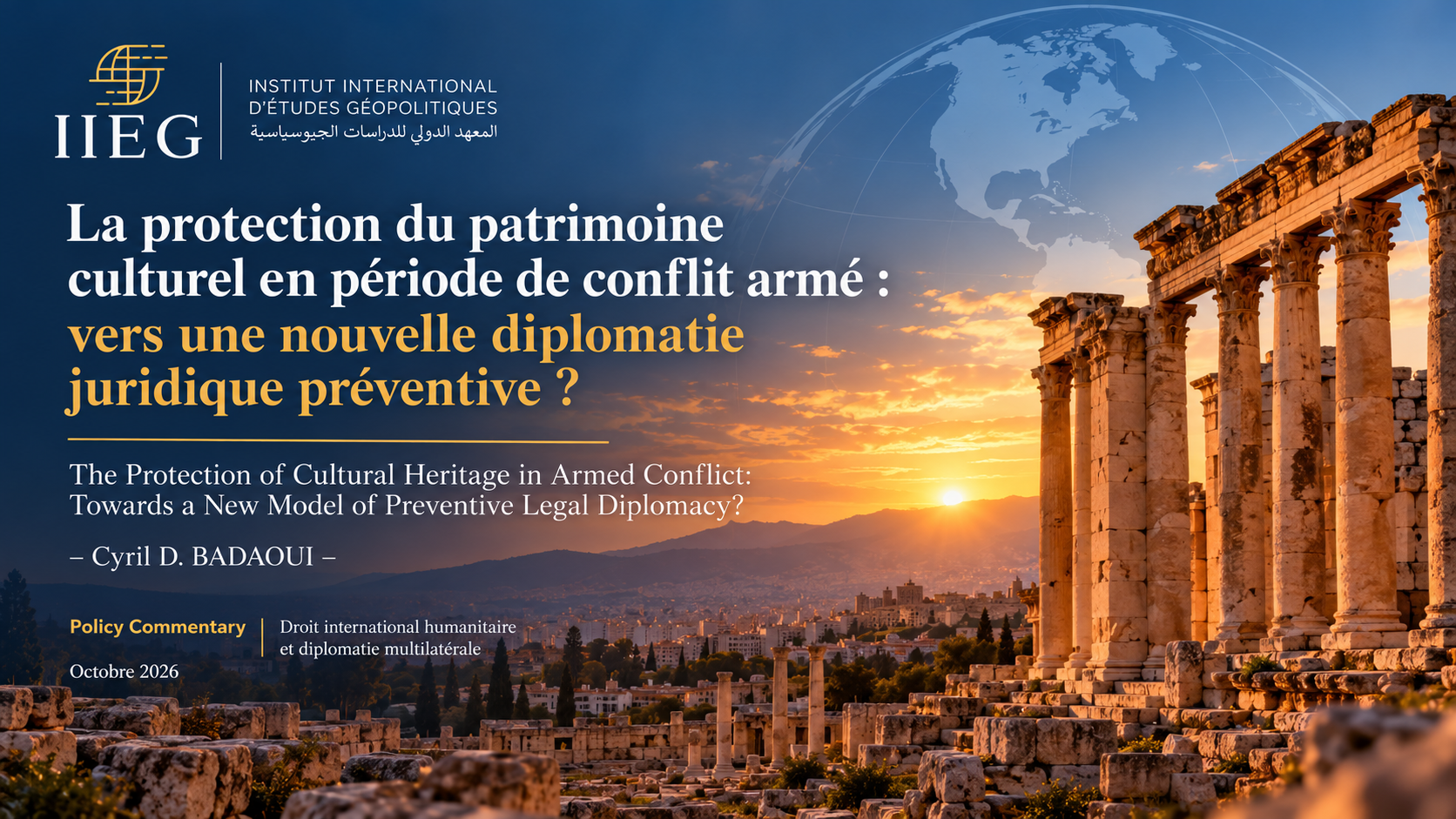
This article forms part of the work of the Conflict Prevention and Resolution Division of the International Institute for Geopolitical Studies (IIEG), of which the author is a member.It builds upon the Institute's reflections on preventive diplomacy and the conditions under which international law can be mobilized before violations occur. The article is written by the author in a strictly personal capacity and does not represent the views of the Permanent Delegation of Lebanon to UNESCO or the Lebanese authorities.AbstractContemporary armed conflicts reveal a persistent paradox: despite the existence of a relatively developed international legal framework, the destruction of cultural heritage remains a reality. UNESCO's decision of 1 April 2026 to grant provisional enhanced protection to 39 Lebanese cultural properties raises questions about the capacity of multilateral mechanisms to prevent damage to cultural heritage beyond their declaratory significance.Drawing on the Lebanese case and a comparative perspective, this analysis examines the possibilities, legal limitations, and conditions for the effective implementation of the regime established by the 1999 Second Protocol to the 1954 Hague Convention. It advances the hypothesis that enhanced protection could contribute to the emergence of preventive legal diplomacy, provided that the activation of legal mechanisms is accompanied by operational dissemination, independent monitoring, and effective accountability among the actors concerned.I. The Protection of Cultural Heritage: From Legal Principle to Preventive ImperativeThe destruction of cultural heritage during armed conflict is not limited to the disappearance of monuments or historical remains. It can also affect collective memory, the transmission of identities, and the conditions necessary for the reconstruction of societies.This dimension explains the progressive development of an international legal framework dedicated to safeguarding cultural property. The Hague Convention of 14 May 1954 constitutes a fundamental reference in this regard. Article 4 requires States Parties to respect cultural property, particularly by refraining from using it for purposes likely to expose it to destruction and from directing acts of hostility against it, subject to strictly regulated exceptions relating to imperative military necessity [1].However, as Thomas Desch demonstrated in his analysis of the foundations of the 1999 Second Protocol, conflicts occurring after the Convention's adoption revealed the shortcomings of traditional instruments, particularly concerning implementation and accountability [2].The Second Protocol of 26 March 1999 sought to strengthen this framework by introducing more precise obligations and an enhanced protection mechanism for cultural property of the greatest importance to humanity [3].Article 11(9) notably provides for an emergency procedure allowing provisional enhanced protection to be granted in the event of hostilities. This procedure may be activated without awaiting proof of all the legal and administrative safeguards required under the ordinary procedure, subject to compliance with the conditions set out in Articles 10(a) and 10(c).The significance of this mechanism lies in its temporal dimension: international law is no longer limited to organizing protection during peacetime or sanctioning certain violations after they have occurred. It also provides a procedure enabling legal action during ongoing hostilities.The question nevertheless remains as to the extent to which this institutional capacity for action can produce effective prevention.II. Lebanon in 2026: Rapid Mobilization of International Humanitarian LawOn 1 April 2026, at Lebanon's request, the Committee for the Protection of Cultural Property in the Event of Armed Conflict convened an extraordinary session at UNESCO headquarters in Paris. The meeting resulted in the granting of provisional enhanced protection to 39 Lebanese cultural properties and the allocation of more than USD 100,000 in international financial assistance for emergency operations [4].This decision followed that of 18 November 2024, which had already placed 34 Lebanese cultural properties under provisional enhanced protection, bringing the total number of properties concerned by the two successive decisions to 73.Beyond its heritage-related significance, this sequence is particularly relevant to the analysis of how multilateral mechanisms operate.According to official document C54/26/5.EXT.COM/4, Lebanon submitted its 39 requests on 25 March 2026. They were registered by the Secretariat the following day and transmitted to the States Parties concerned on 27 March. The applications included cartographic boundaries and individual declarations of non-military use signed by the Lebanese Ministry of Defence [5].Within one week, a national request was thus transformed into a multilateral decision based on a pre-existing treaty instrument.This process illustrates the capacity of a specialized international organization to mobilize its legal instruments rapidly, even when traditional collective security mechanisms encounter difficulties.However, it would be premature to equate this procedural success with demonstrated preventive success.The inclusion of a property on the International List of Cultural Property under Enhanced Protection modifies its status under the applicable treaty regime. It does not, in itself, prove that the armed forces concerned have changed their conduct, nor does it provide a material guarantee against future damage.It is precisely this distinction between normative significance and operational effectiveness that should guide the scientific evaluation of the mechanism.III. Applicability to Non-Party States: The Fundamental Legal LimitationThe effectiveness of enhanced protection raises a major legal difficulty when not all parties to a conflict are bound by the 1999 Second Protocol.Under the principle pacta tertiis nec nocent nec prosunt, enshrined notably in Article 34 of the 1969 Vienna Convention on the Law of Treaties, a treaty does not, in principle, create either obligations or rights for a third State without its consent [6].Article 3(2) of the Second Protocol nevertheless provides for a particular situation: where a party to an armed conflict is not bound by the Protocol, States Parties remain bound by its provisions in their mutual relations. They are also bound by its provisions in relation to a State party to the conflict that has not acceded to the Protocol, if that State accepts its provisions and for as long as it applies them [3].It would therefore be legally inaccurate to assert that granting enhanced protection automatically makes the entire 1999 regime binding upon every State involved in a conflict.The Lebanese case illustrates this distinction. According to official UNESCO data, Lebanon has been a party to the Second Protocol since 2020, while Israel is a party to the 1954 Convention but not to the 1999 Second Protocol [7].Consequently, the specific obligations of the enhanced protection regime, particularly the immunity provided for in Article 12 of the Protocol, cannot automatically be invoked against Israel solely on the basis of its accession to the 1954 Convention.This limitation does not imply an absence of international obligations.As a State Party to the 1954 Convention, Israel remains subject to its relevant obligations. Independently of treaty commitments, customary international humanitarian law rules concerning the protection of cultural heritage may also apply to parties to a conflict.The International Committee of the Red Cross study identifies, particularly through Rules 38 to 40, customary obligations concerning protection against attacks, military use, and acts of destruction or pillage of cultural property [8].However, these general obligations must not be confused with the entirety of the specific treaty regime of enhanced protection established in 1999. The mere existence of customary rules protecting cultural heritage is insufficient to demonstrate that every provision of this particular regime has acquired customary status.This distinction reveals a structural limitation of preventive legal diplomacy: multilateral recognition of protective status may have universal diplomatic significance without automatically producing identical treaty-based effects for all actors.From this perspective, the universalization of the Second Protocol, the promotion of voluntary commitments consistent with its principles, and the dissemination of already applicable obligations should constitute complementary objectives of multilateral diplomacy.IV. Measuring Preventive Effectiveness: Beyond the Number of Protected PropertiesOne of the main methodological difficulties lies in assessing the actual effects of enhanced protection.The number of listed properties, the speed of decisions, and the volume of international assistance make it possible to measure institutional activity. However, they are insufficient to measure the prevention of violations.A more rigorous evaluation should distinguish four complementary dimensions.Procedural efficiency could be assessed by examining the time elapsed between the national request and the international decision, the quality of the submitted applications, and the speed with which the relevant actors are notified.Operational effectiveness would require examining whether information concerning protected properties has actually been communicated to military authorities, incorporated into operational planning mechanisms, and taken into account in target verification procedures. Acknowledgements of receipt, training provided, and accessible operational directives would constitute useful indicators.Protective effectiveness would require studying changes in damage sustained by protected properties, as well as military incidents occurring nearby. Such an analysis should consider the intensity of hostilities, the location of the sites, and their initial exposure to risks.Finally, legal effectiveness could be assessed through the documentation of alleged violations, investigations initiated, corrective measures adopted, and, where applicable, judicial proceedings undertaken.The most relevant methodology would consist of comparing developments affecting properties benefiting from enhanced protection with those affecting comparable properties without such protection, whenever the available data permit.Ideally, this comparison should rely on a baseline established before listing, followed by periodic monitoring after the decision. It should also incorporate variables such as the intensity of fighting, proximity to military objectives, and the nature of the sites.An additional difficulty must be emphasized: the most threatened properties may be precisely those for which enhanced protection is requested. This selection may distort comparisons if it is not properly taken into account.Furthermore, the absence of observed damage does not necessarily prove a deterrent effect. Conversely, the occurrence of damage does not automatically demonstrate the legal ineffectiveness of the mechanism, since it may result from multiple factors.Satellite monitoring, particularly through cooperation between UNESCO and UNITAR/UNOSAT, offers a relevant tool for documenting physical changes at sites [4]. Nevertheless, it should be supplemented, whenever possible, by field information and independent data concerning the circumstances of incidents.It would therefore be more rigorous to regard enhanced protection as an intervention whose preventive effects must be demonstrated rather than presumed.V. Towards Preventive Legal Diplomacy: What Prospects?Recent UNESCO practice, particularly in Lebanon and Ukraine, demonstrates that international enhanced protection mechanisms can be activated within relatively short periods. In September 2023, 20 Ukrainian cultural properties were granted provisional enhanced protection under the same emergency procedure [9].These experiences make it possible to envisage an evolution in diplomatic practices without establishing the existence of a new autonomous category of international law.Preventive legal diplomacy may be understood as the coordinated mobilization of treaty instruments, multilateral procedures, and technical resources to influence the conduct of actors before violations occur.Three approaches could strengthen this model.The first involves developing better coordination between cultural institutions and military authorities. Protection decisions should be accompanied by notification procedures, training, and appropriate coordination mechanisms. The Military Manual on the Protection of Cultural Property, published by UNESCO in 2016, provides a useful operational foundation in this regard [10].The second approach concerns establishing a framework for periodic evaluation. Competent bodies could encourage the development of common indicators relating to notification of decisions, changes in damage, and implementation of preventive measures. Such an approach would make it possible to distinguish more clearly between administrative achievements and actual protective effects.The third priority lies in strengthening the relationship between prevention and accountability. The jurisprudence of the International Criminal Court in the Al Mahdi case, concerning attacks against religious and historical monuments in Timbuktu, recalls that intentional destruction of cultural heritage may, where the legal conditions are met, constitute war crimes engaging individual criminal responsibility [11].The prospect of prosecution does not guarantee effective deterrence. Nevertheless, it may contribute to strengthening the credibility of the protective framework, provided that appropriate investigation, jurisdictional, and enforcement mechanisms are in place.Conclusion — From Declared Protection to Demonstrated PreventionThe decision of 1 April 2026 concerning Lebanese cultural heritage illustrates the capacity of specialized multilateral mechanisms to produce legal effects rapidly during periods of crisis. At the same time, it highlights the limitations of an international system in which the effectiveness of obligations depends on the scope of treaty instruments, the conduct of parties to conflicts, and the ability of institutions to monitor their implementation.The future of the enhanced protection regime should therefore not be assessed solely through an increase in the number of properties included on an international list. It should also be evaluated according to its ability to encourage the consideration of cultural heritage in the conduct of military operations, reduce documented risks, and strengthen accountability in cases of violations.In this sense, preventive legal diplomacy would not constitute an alternative to existing rules of international humanitarian law, but rather a method aimed at strengthening their mobilization and effectiveness.The true progress of multilateralism would then lie not merely in its capacity to recognize threatened cultural properties, but in its ability to demonstrate that such recognition effectively contributes to their preservation.Legal and Bibliographical ReferencesLegal and Institutional Sources[1] UNESCO, Convention for the Protection of Cultural Property in the Event of Armed Conflict, The Hague, 14 May 1954, Article 4. Official text, ICRC.[2] Desch, Thomas, “The Second Protocol to the 1954 Hague Convention for the Protection of Cultural Property in the Event of Armed Conflict,” Yearbook of International Humanitarian Law, Vol. 2, 1999, pp. 63–90. DOI: 10.1017/S1389135900000374.[3] UNESCO, Second Protocol to the Hague Convention of 1954 for the Protection of Cultural Property in the Event of Armed Conflict, 26 March 1999, Articles 3, 10–13 and 15. Official text.[4] UNESCO, “Lebanon: 39 cultural properties placed under enhanced protection,” press release, 1 April 2026, updated 14 October 2026.[5] UNESCO, Committee for the Protection of Cultural Property in the Event of Armed Conflict, Requests for the Granting of Provisional Enhanced Protection to Cultural Properties in Lebanon, C54/26/5.EXT.COM/4, 27 March 2026. Official PDF document.[6] United Nations, Vienna Convention on the Law of Treaties, 23 May 1969, particularly Articles 34, 35 and 38. Official text, International Law Commission.[7] UNESCO, States Parties to the 1954 Hague Convention and its Two Protocols, updated 13 April 2026. Official list of States Parties.[8] Henckaerts, Jean-Marie, and Doswald-Beck, Louise, Customary International Humanitarian Law, Vol. I: Rules, Cambridge University Press / ICRC, 2005, Rules 38–40. ICRC database, Rule 38.[9] UNESCO, “Ukraine: 20 cultural properties receive enhanced protection by UNESCO’s Second Protocol to the 1954 Hague Convention,” 7 September 2023. Official press release.[10] O'Keefe, Roger, Péron, Camille, Musayev, Tofig, and Ferrari, Gianluca, Protection of Cultural Property: Military Manual, UNESCO and International Institute of Humanitarian Law, 2016.[11] International Criminal Court, The Prosecutor v. Ahmad Al Faqi Al Mahdi, Case ICC-01/12-01/15, Reparations Order of 17 August 2017. Official press release.Additional Doctrinal ReferenceHladík, Jan, “How the Guidelines for the Implementation of the 1999 Second Protocol to the Hague Convention of 1954 Contribute to Better Protection of Cultural Property,” International Review of the Red Cross, Vol. 104, Nos. 920–921, 2022, pp. 1948–1970. DOI: 10.1017/S181638312200042X.
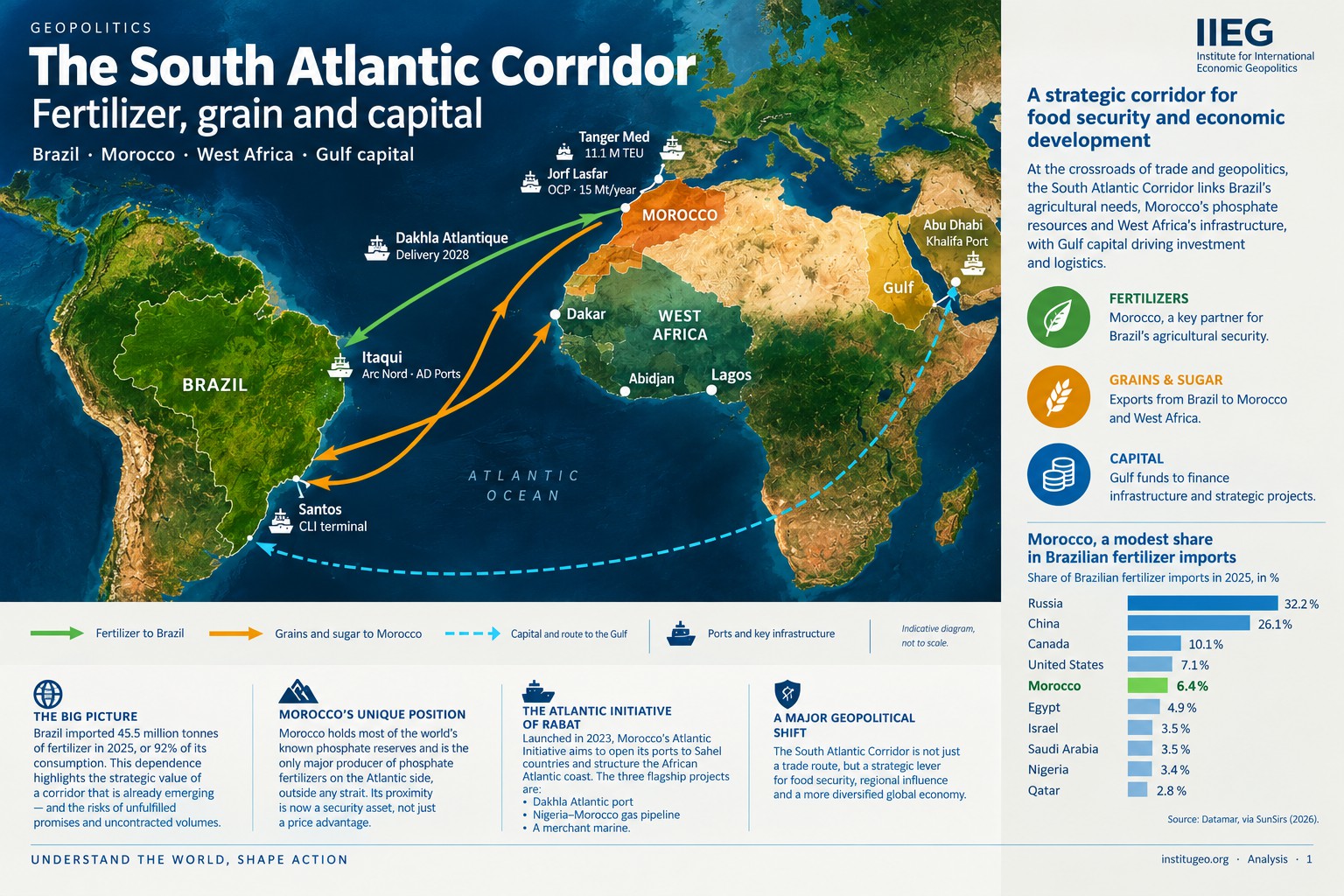
The partial closure of the Strait of Hormuz in 2026 confirmed what the war in Ukraine had already exposed: the leading agricultural power of the South Atlantic depends, to feed its soils, on routes it does not control. Brazil imported 45.5 million tonnes of fertiliser in 2025, roughly 92% of its consumption. In response to this vulnerability, an axis is taking shape between Brazil's Northern Arc, Morocco's Atlantic seaboard and West Africa, backed by Gulf capital. This South Atlantic corridor already exists along a single flow: Moroccan phosphates. Its strategic value lies in what remains to be built, and its weaknesses lie in the gap between announcements and the volumes actually contracted. A realignment that shifts the centre of gravity to the Atlantic The chokepoint shock: before the crisis, up to 30% of global fertiliser shipments passed through Hormuz. Iranian restrictions sent prices soaring at the very moment Brazilian farmers were buying inputs for the 2026/27 season. The geography of supply has become a factor of agricultural competitiveness. Morocco's asymmetric advantage: Morocco holds most of the world's known phosphate reserves and is the only major producer of phosphate fertiliser located on the Atlantic side, clear of any chokepoint. Its geography is becoming an argument of security, not just of price. Rabat's Atlantic doctrine: launched in 2023, the Atlantic Initiative aims to open Moroccan ports to the Sahel states and to structure Africa's Atlantic seaboard. Its three flagship projects are the Dakhla Atlantic port, the Nigeria-Morocco gas pipeline and the creation of a merchant fleet. Fertiliser, the anchor flow of the corridor Brazil imports 96% of its potash, 95% of its nitrogen and 72% of its phosphate. Morocco's position is real but still marginal: it accounts for only 6.4% of total imports, far behind Russia and China, while dominating the superphosphate segment. For OCP, the Brazilian market already represented 23% of global revenue in 2025, on a par with India. The 18 September 2026 memorandum: OCP Nutricrops and Brazil's Ministry of Agriculture set a target volume of 3.8 million tonnes of phosphate fertiliser for 2026-2027, mainly TSP. This is not a firm order: contracts must still be negotiated with each Brazilian distributor. It also opens an agronomic track, from soil mapping to bio-inputs. The limits of the lever: Morocco supplies neither potash nor nitrogen, which weigh most heavily in Brazil's dependence. The Emirati-Moroccan Dahamco green ammonia project in Dakhla, approved but not yet scheduled, could eventually open the nitrogen segment. A trade loop that is already balanced The corridor's least visible asset is the symmetry of trade. In 2025, Brazil exported USD 1.365 billion to Morocco, mostly sugar and maize, and imported USD 1.429 billion, 84.8% of it fertiliser. Morocco bought 1.81 million tonnes of Brazilian maize, 75% of it from Mato Grosso, the very region that consumes Moroccan phosphates. The full-ship logic: balanced trade allows ships to sail loaded both ways, fertiliser outbound and grain on the return leg. This is the economic precondition for a regular shipping line, which does not yet exist. African triangulation: Morocco is only the 44th destination for Brazilian exports. The corridor's value will therefore come not from bilateral trade but from projection into West Africa, where Brazilian exports reached a record USD 15.86 billion in 2024 and where Embrapa announced its return in 2025. The port nodes: both ends are being built at the same timeNodeRole in the corridorStatus, October 2026Tanger Med Hub for Europe and the Mediterranean 11.1 M TEU handled in 2025 (+8.4%Jorf Lasfar OCP's export complex 15 Mt/year fertiliser capacityDakhla Atlantic Gateway to West Africa and the Sahel 74% complete, delivery end-2028ItaquiGrain outlet of the Northern Arc CLI Norte terminal, controlled by AD PortsSantosBrazil's leading agricultural port CLI terminal, controlled by AD PortsCapacity ahead of demand: on opening, Dakhla will offer an expandable capacity of 35 million tonnes and an 18-metre draught, backed by a 1,650-hectare industrial zone. Construction progress is not operation, however: the port's success will depend on sufficient industrial demand emerging. The Amazon link: on the Brazilian side, logistics hub projects along the Amazon river axis, such as Humaitá, can feed grain and inputs into the Northern Arc and strengthen the case for the port operators already present in Itaqui. Gulf capital, the binding agent A presence at both ends: in October 2026 AD Ports completed its USD 835 million acquisition of CLI, its largest ever, with the stated aim of linking Brazil directly to Khalifa Port and the Abu Dhabi Food Hub. In Morocco, Emirati commitments reportedly exceed USD 15 billion across water, energy, ports and hydrogen. Competitor as much as partner: the Gulf is also a fertiliser supplier to Brazil: Saudi Arabia provided around 22% of the MAP Brazil imported in the first eight months of 2025. The Hormuz crisis gives these producers a reason to hedge their own risk on the Atlantic side. The strategic case for sovereign funds: financing a fertiliser-grain route that avoids the chokepoints amounts to buying a hedge against Hormuz risk for their own food security. Five weaknesses that will determine the corridor's credibility The gap between announcement and contract: a memorandum is not a volume. Without purchase contracts signed with Brazilian distributors, the corridor will remain a diplomatic narrative. The return of price competition: Russia and China together supply more than 58% of Brazil's fertiliser imports. Easing prices would reduce the appeal of diversification. Political exposure: the break between Algeria and the UAE in September 2026, the disputed status of Sahara and the lack of a timetable for the Sahel states' access to the Atlantic weigh on the perception of European and multilateral lenders. Concentration of funders: a corridor financed almost exclusively by the UAE would be tied to a single political alignment. The data gap: no public study currently compares the logistics cost of a tonne of fertiliser between Jorf Lasfar and Itaqui with the Russian, Chinese or Gulf routes. Recommendations Priority Action Horizon1. Prove Fertiliser-grain pilot Jorf Lasfar - Itaqui with OCP Brasil, AD Ports (CLI Norte) and Mato Grosso traders, without waiting for Dakhla 20272. Measure First comparative study of logistics costs and tariffs, published with a critical lens Q1 20273. Diversify Bring in Saudi Arabia, Qatar and Brazilian funds (PIF, SALIC, QIA, BNDES) 20274. Project "Cerrado model" agronomic pilot in Côte d'Ivoire or Senegal with Embrapa and OCP 2028-20305. Verify Without a signed contract by October 2027, refocus the initiative Oct. 2027Conclusion The South Atlantic corridor is neither an abstraction nor yet a reality. It rests on a tangible flow, infrastructure under construction and capital already committed on both sides of the ocean. What it lacks is less financial than commercial: contracted volumes, a regular shipping line and public data able to convince beyond diplomatic circles. In a world where route security now outweighs cost optimisation, the South Atlantic offers Brazil, Morocco and the Gulf a rare convergence of interests. It still has to be measured in tonnes rather than in declarations. References • Colussi, J. and Langemeier, M. "Middle East Conflict Revives Concerns Over Fertilizer Dependence in the U.S. and Brazil", farmdoc daily, University of Illinois, April 2026. • DatamarNews, "Brazil seeks emergency fertilizer supply from Russia, China and Morocco", 2026; Datamar via SunSirs, origins of Brazilian fertiliser imports, 2025. • Argus Media, Brazilian SSP and MAP imports, January-August 2025. • Brazilian Ministry of Agriculture (MAPA), agricultural attaché in Rabat: Brazil-Morocco trade 2025; MAPA - OCP Nutricrops memorandum, 18 September 2026 (NovaCana). • CNN Brasil, Brazil-Morocco agricultural trade, June 2026; Government of Brazil, II Brazil-Africa Dialogue, May 2025. • Tanger Med Port Authority, 2025 results; SGTM and Moroccan Ministry of Equipment, Dakhla Atlantic port progress, 2026. • AD Ports Group, acquisition of Corredor Logística e Infraestrutura (CLI), June and October 2026. • Médias24, Nigeria-Morocco gas pipeline, July 2026; MCG24 and Jeune Afrique, Morocco-UAE partnership, 2026. • Analytical framework: energy-water-food nexus; friendshoring and regionalisation of value chains.
Discover our areas of expertise and strategic research axes.
Khaled Hamadé, President of the International Institute for Geopolitical Studies (IIEG), will participate in the IMRI Annual Forum, to be held on November 20 and 21, 2026, at the Hôtel Val d’Anfa, Aïn Diab, Casablanca, around the theme: “Morocco-Africa Facing an Emerging New World Order: Sovereignty, Geopolitical Recomposition, Energy Transition, Digital Economy.” Khaled Hamadé will speak during the opening panel on Friday, November 20, contributing to discussions on the profound transformations of the global order and their implications for Morocco and the African continent. This participation is part of the IIEG’s ongoing work on new geopolitical balances, sovereignty issues, and the strategic transformations reshaping relations between Morocco, Africa, and the rest of the world.
CasablancaKhaled Hamadé, President of the International Institute for Geopolitical Studies (IIEG), will participate in MEDays 2026, as part of the roundtable “New Threats, New Balances: Rethinking Global and Regional Security”, on Saturday, November 28, 2026, at 3:30 p.m. This roundtable will bring together a particularly rich international panel, composed of state representatives from several countries and continents, alongside leaders and experts from research and geopolitical institutes. These diverse perspectives will provide an opportunity to analyze emerging threats, ongoing strategic shifts, and their implications for global and regional security. Khaled Hamadé’s participation is part of the IIEG’s work dedicated to transformations in the international order, new geopolitical balances, as well as conflict prevention and resolution.
TangerInternationally renowned researchers and analysts serving strategic reflection.
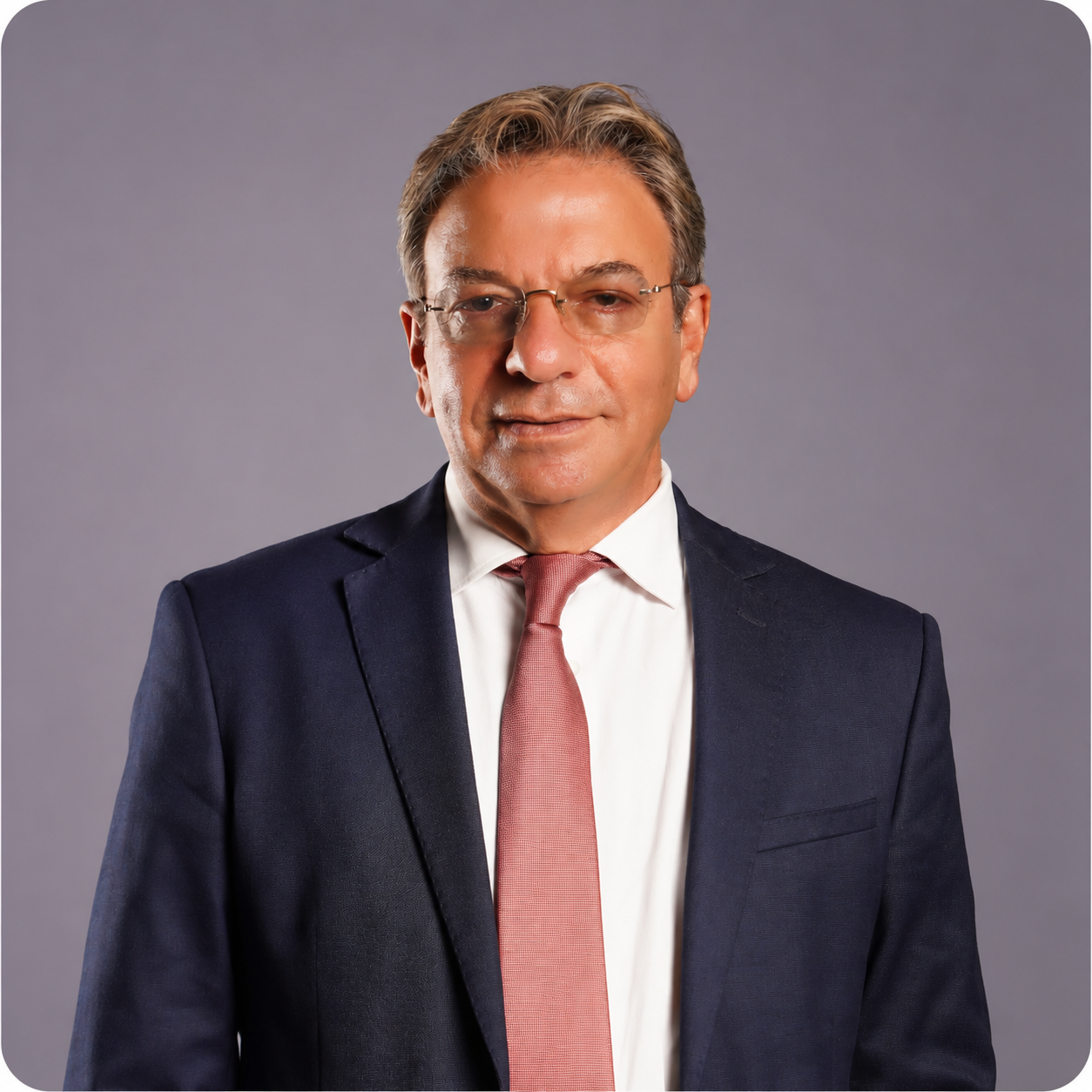
Khaled Hamadé
Founder & President of IIEG
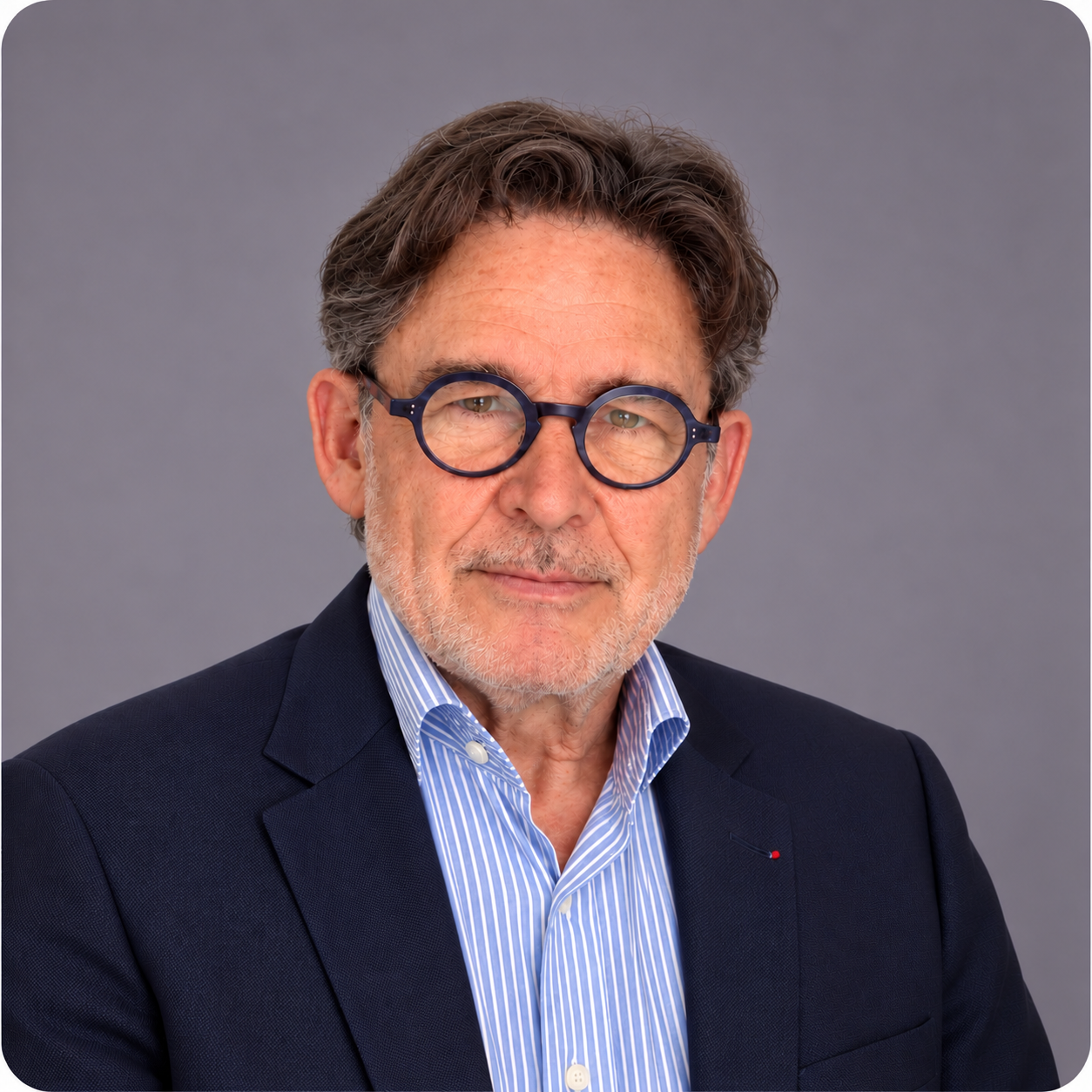
Jacques Touchon
Expert in Neurodegenerative Diseases -President of the Scientific Council
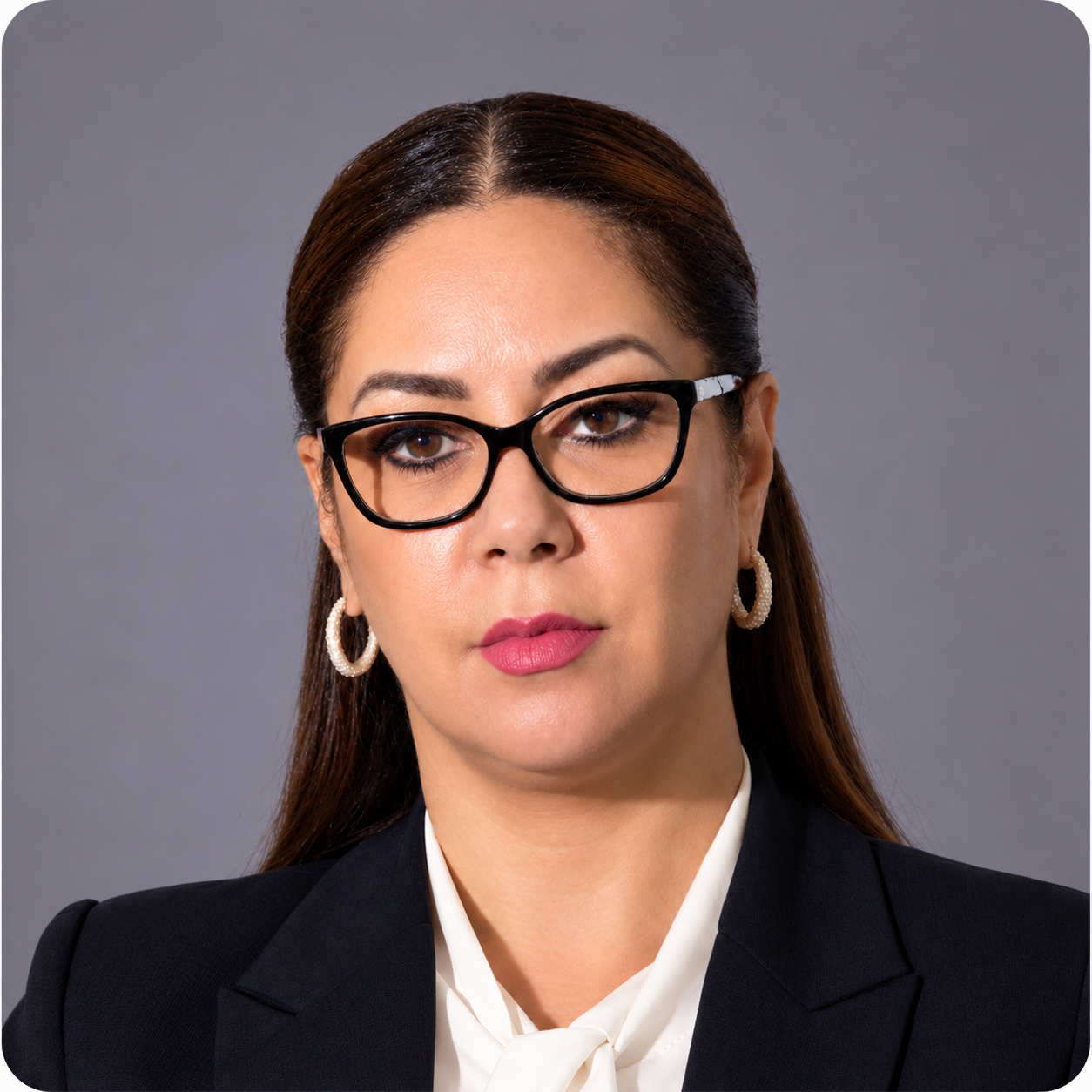
Nouzha Bouchareb
Former Minister of National Territorial Planning and Urban Development -Vice-President of the Scientific Council
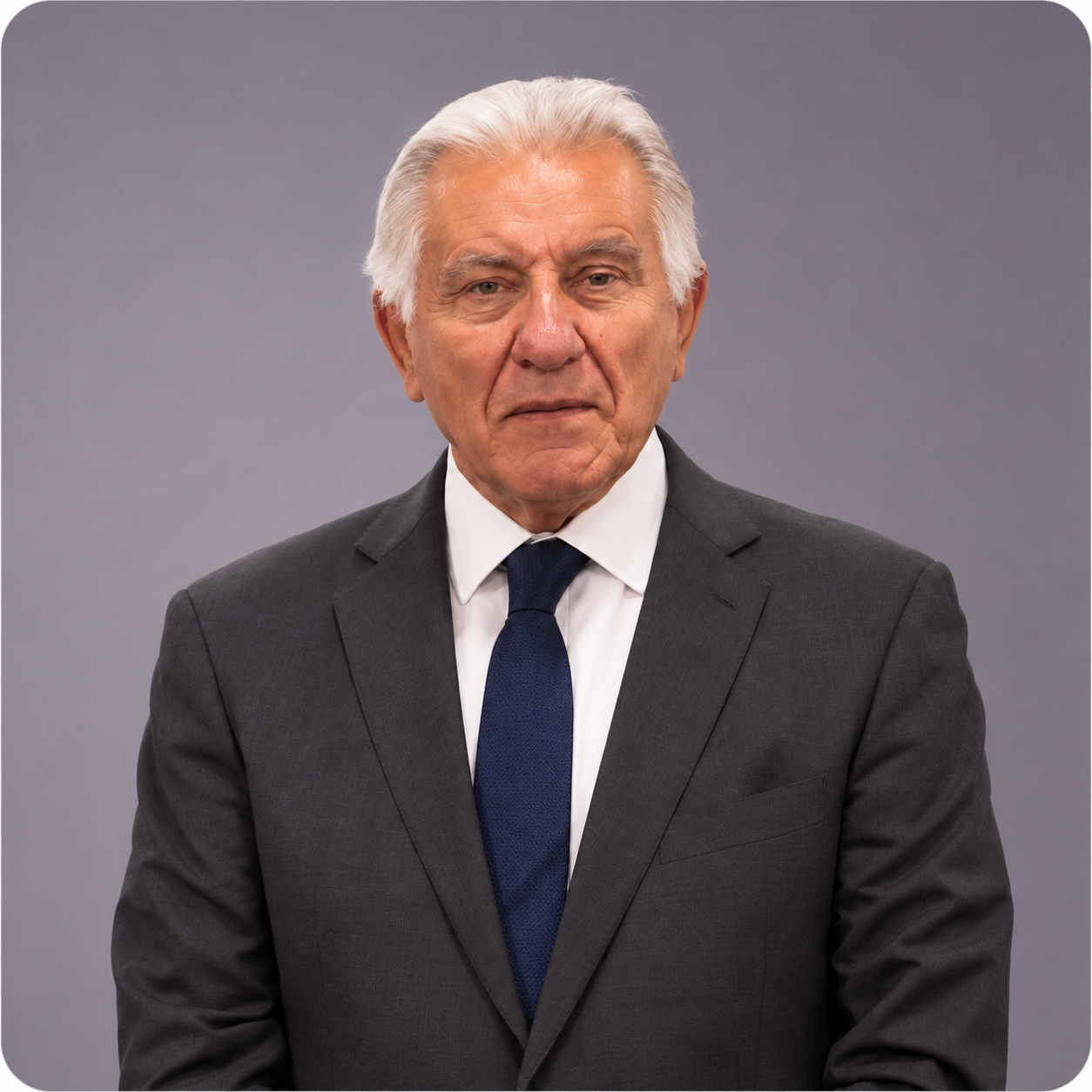
S.E. Cheikh Ibrahim Hanna-El-Daher
Former Lebanese Minister of State, Business Executive and Expert in Governance and Franco-Lebanese Relations - Member of the IIEG Scientific Council
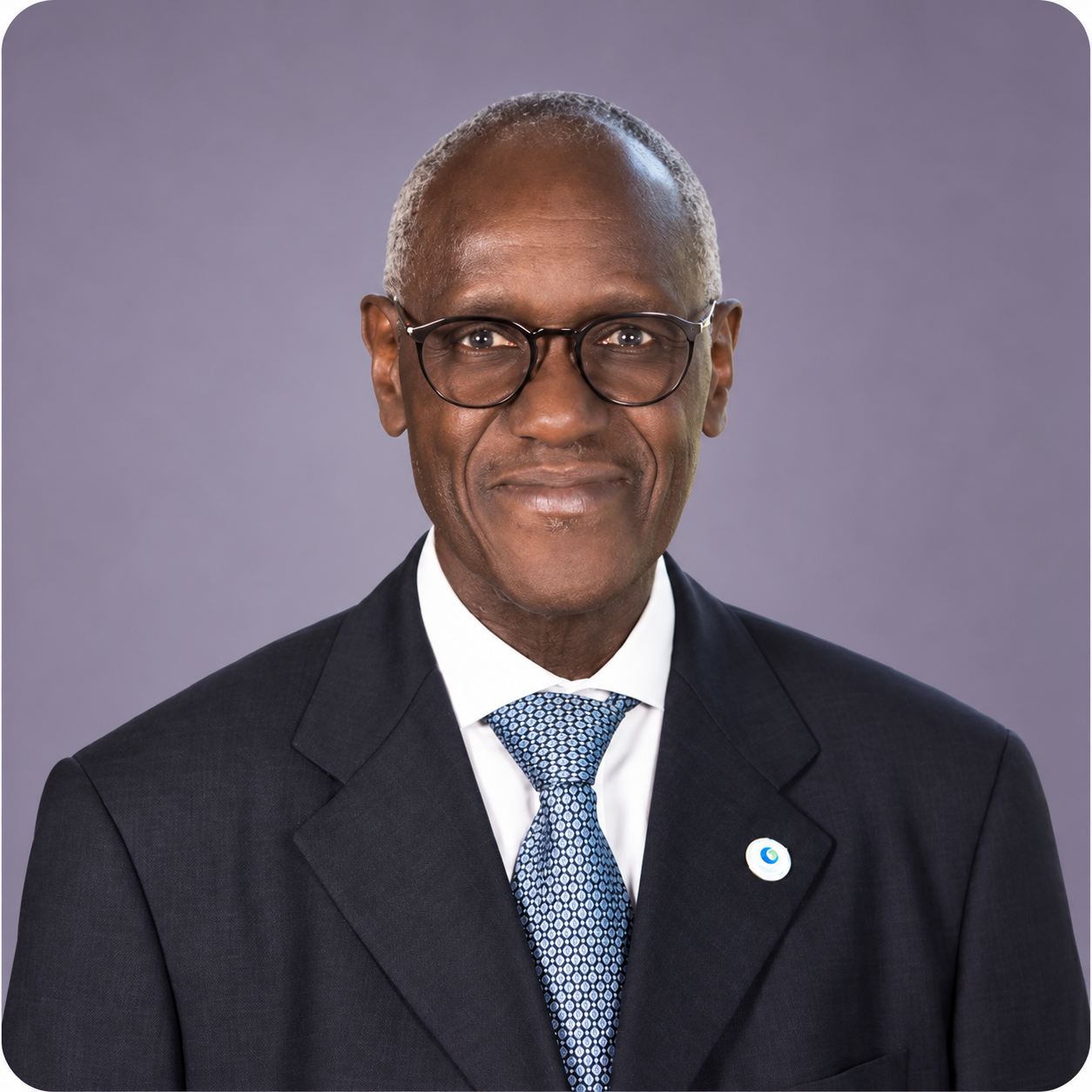
Abdoulaye Sène
International Expert in Water Governance, Water Diplomacy and Conflict Prevention -Director of the Conflict Prevention and Resolution
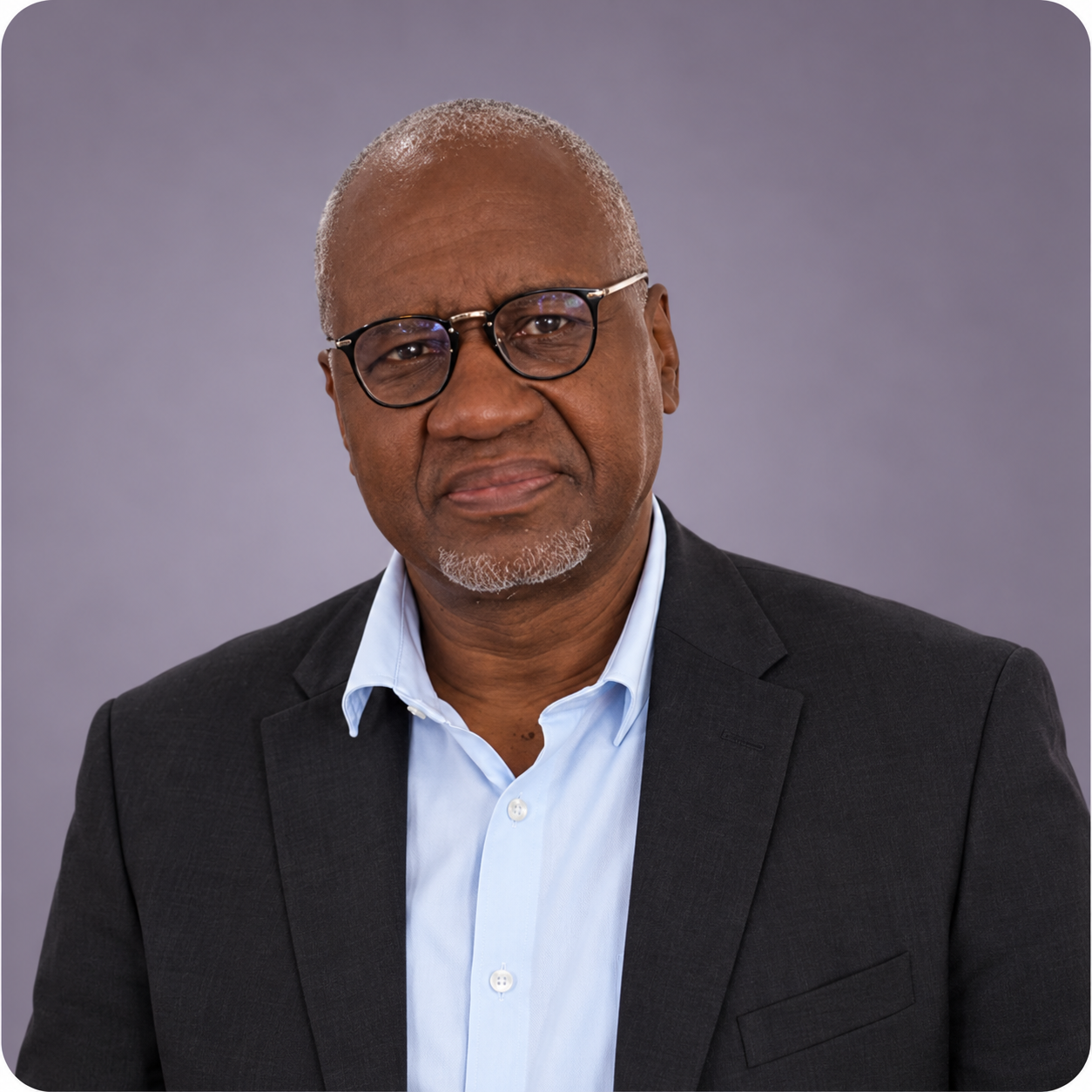
Cheick Sako
Former Minister of State, Minister of Justice -Vice President for Africa
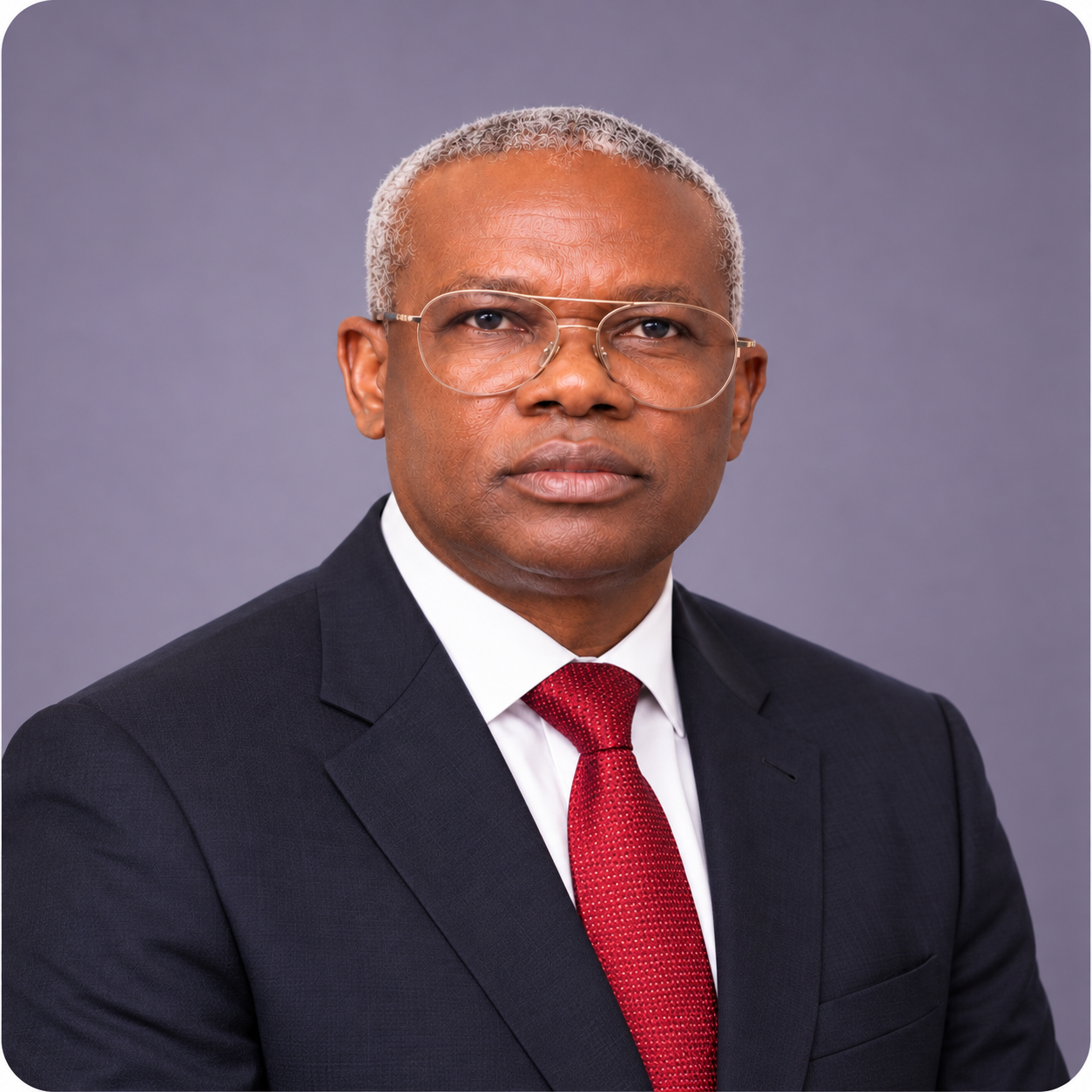
Jean Daniel Ovaga
Executive President of the National Union of Economic Operators of Congo (UNOC), Vice-President of the National Council of the Order of Physicians of Congo, President of the Private Health Sector Alliance (ASPS) - Member of the IIEG Scientific Council

Jean-Marie Heydt
International Expert and Senior Consultant to Public and International Institutions - Member of the IIEG Scientific Council
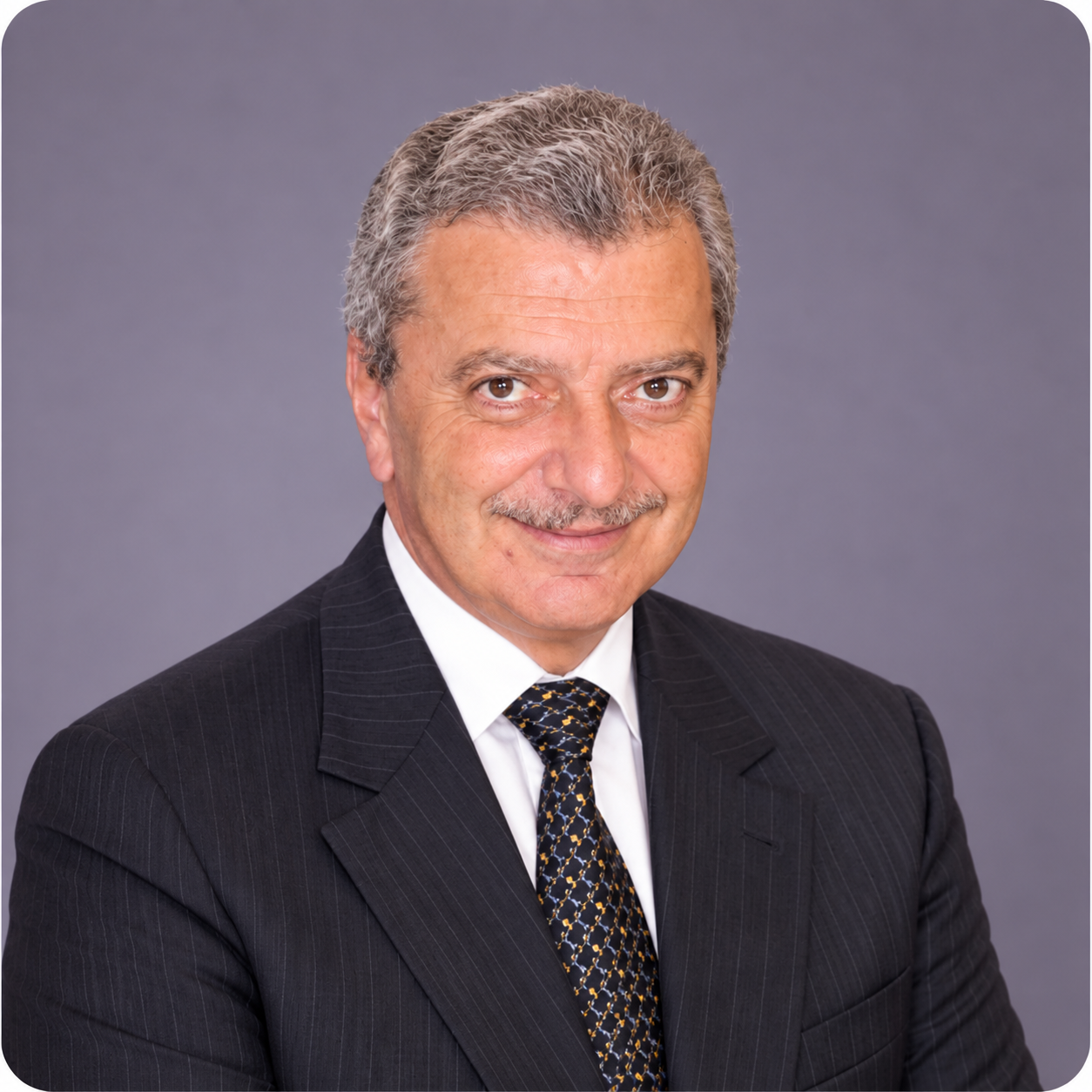
Najib Zerouali Ouariti
Former Minister, Former Ambassador, and Leading Figure in the Academic, Scientific, and Institutional Spheres -Member of the IIEG Scientific Council
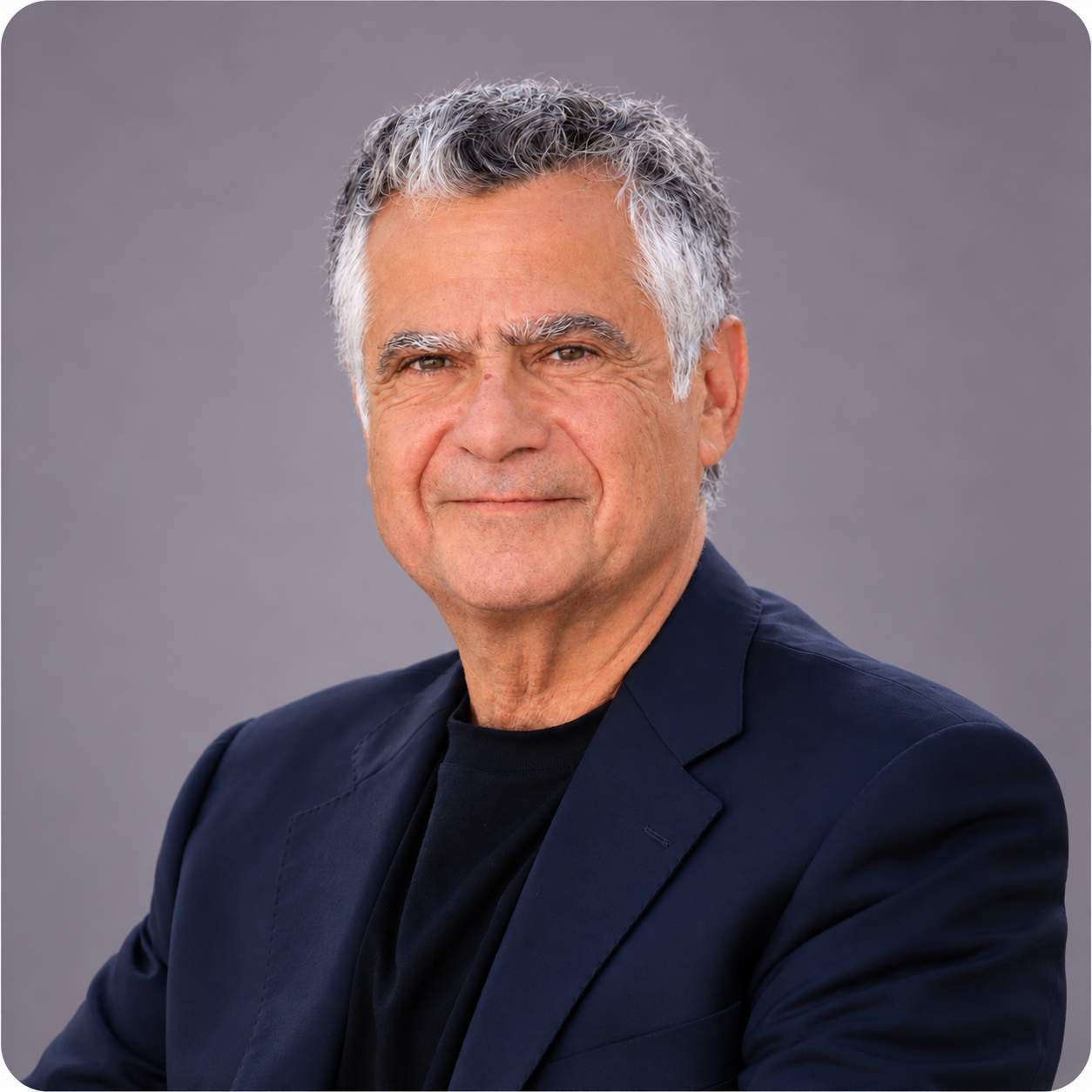
Wassim Salman
Architect, Entrepreneur, Founder and Managing Director of Atlanta Interior Design & Trading (AIDC) - Member of the IIEG Scientific Council
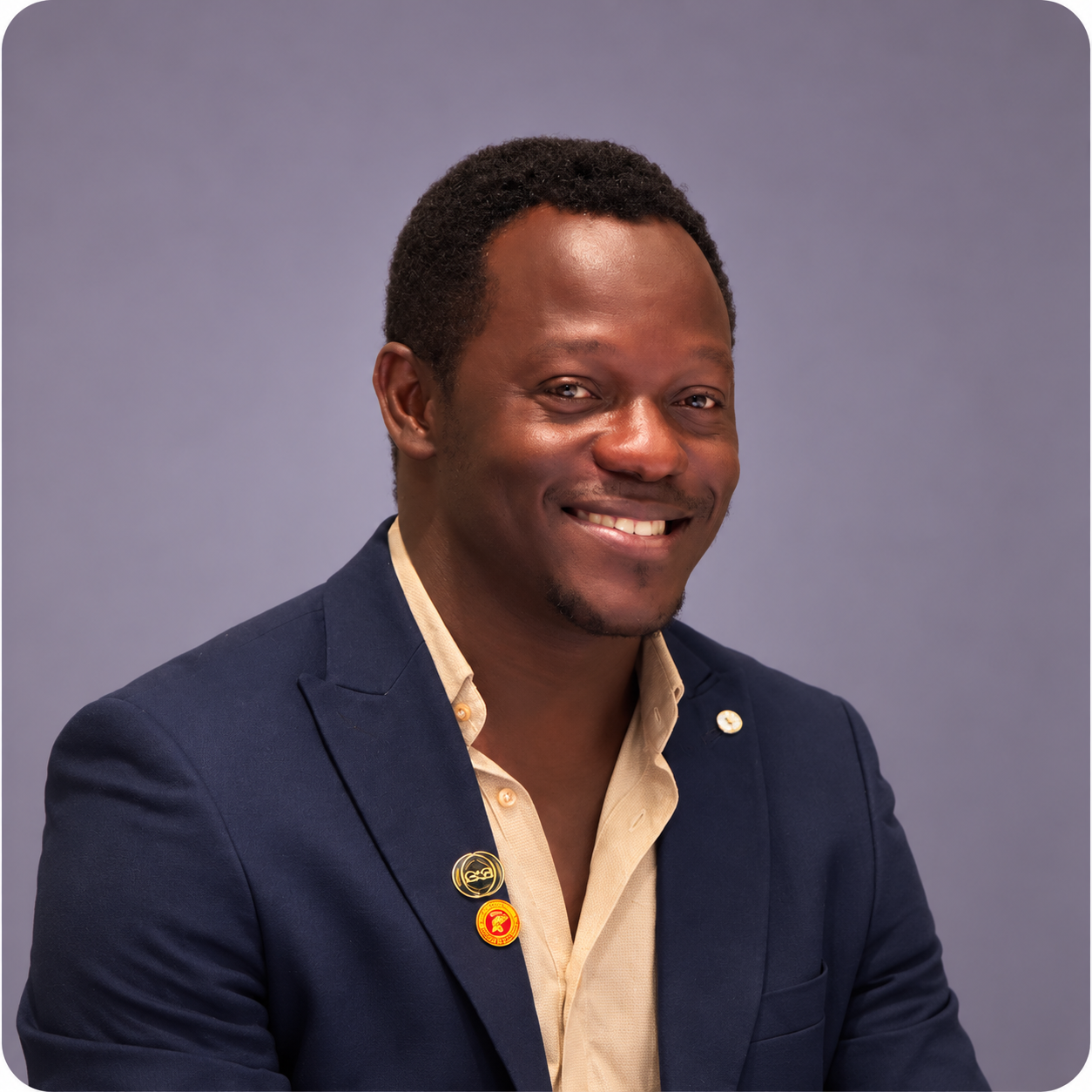
Achille Agbé
Capital Markets Expert and Specialist in Banking and Financial Law, Founder of EIC Corporation -Member of the IIEG Scientific Council

Yann Fortunato
Founder and Chairman & CEO of Racines de France - Vice-President in charge of Europe
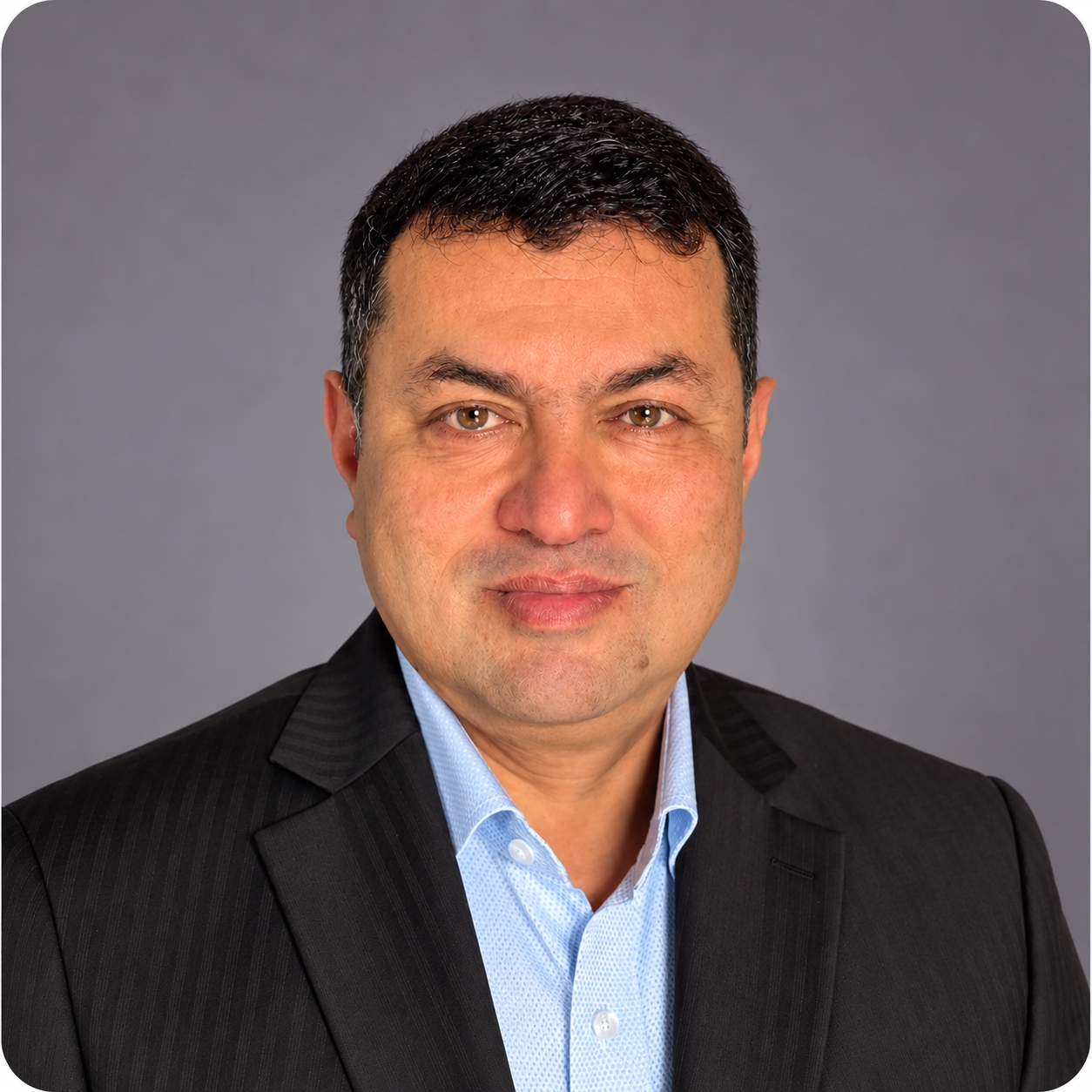
Sanjeev Rao
International Entrepreneur, Organizational Transformation Strategist, and Expert in Economic Relations- Vice-President India

Amine Benchekri
Expert in Governance, Organizational Transformation, Investment, and Economic Development - Executive Director of the Global South Division
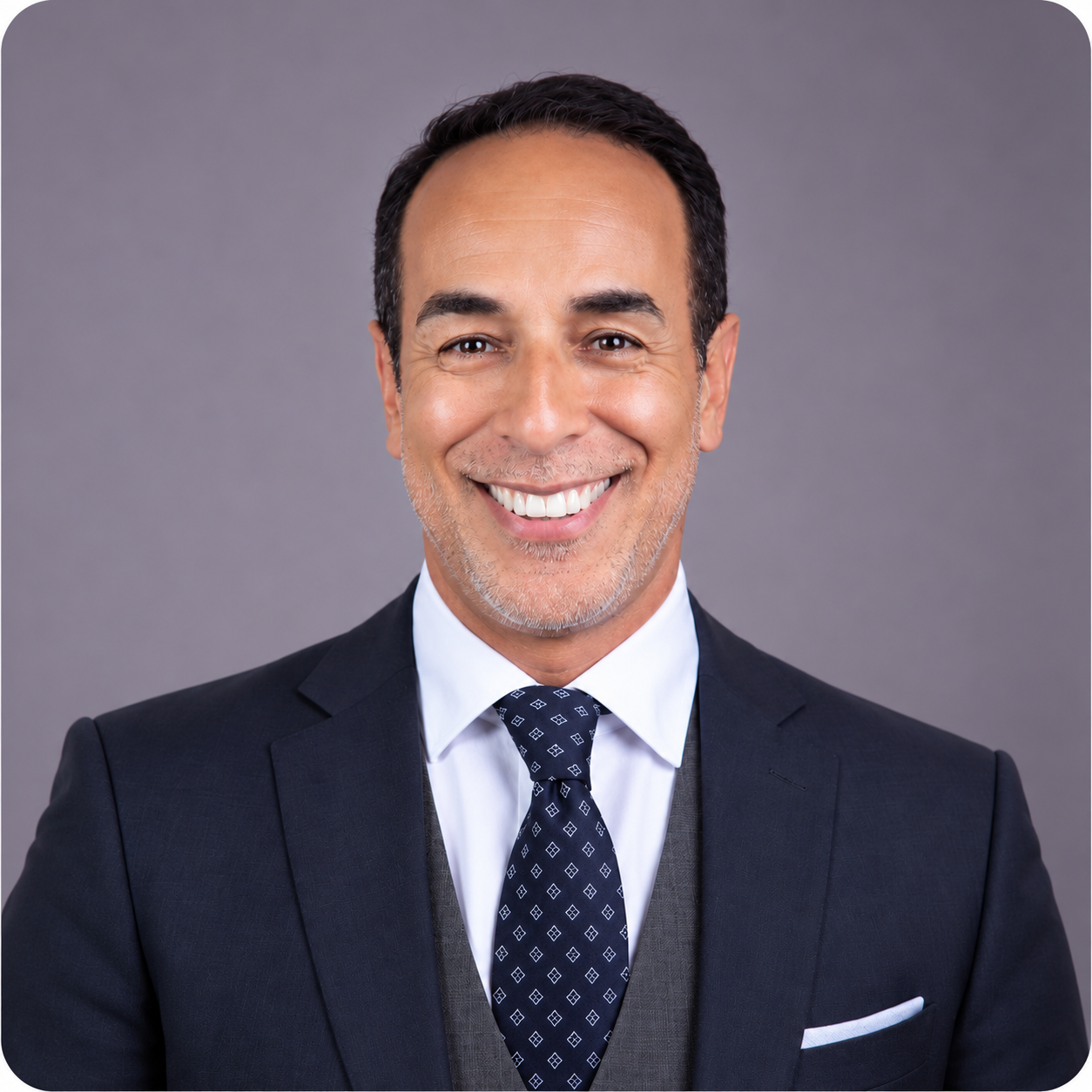
Hamza Belgourari
Expert in Economic Diplomacy and Strategic Entrepreneurship - Vice-President America
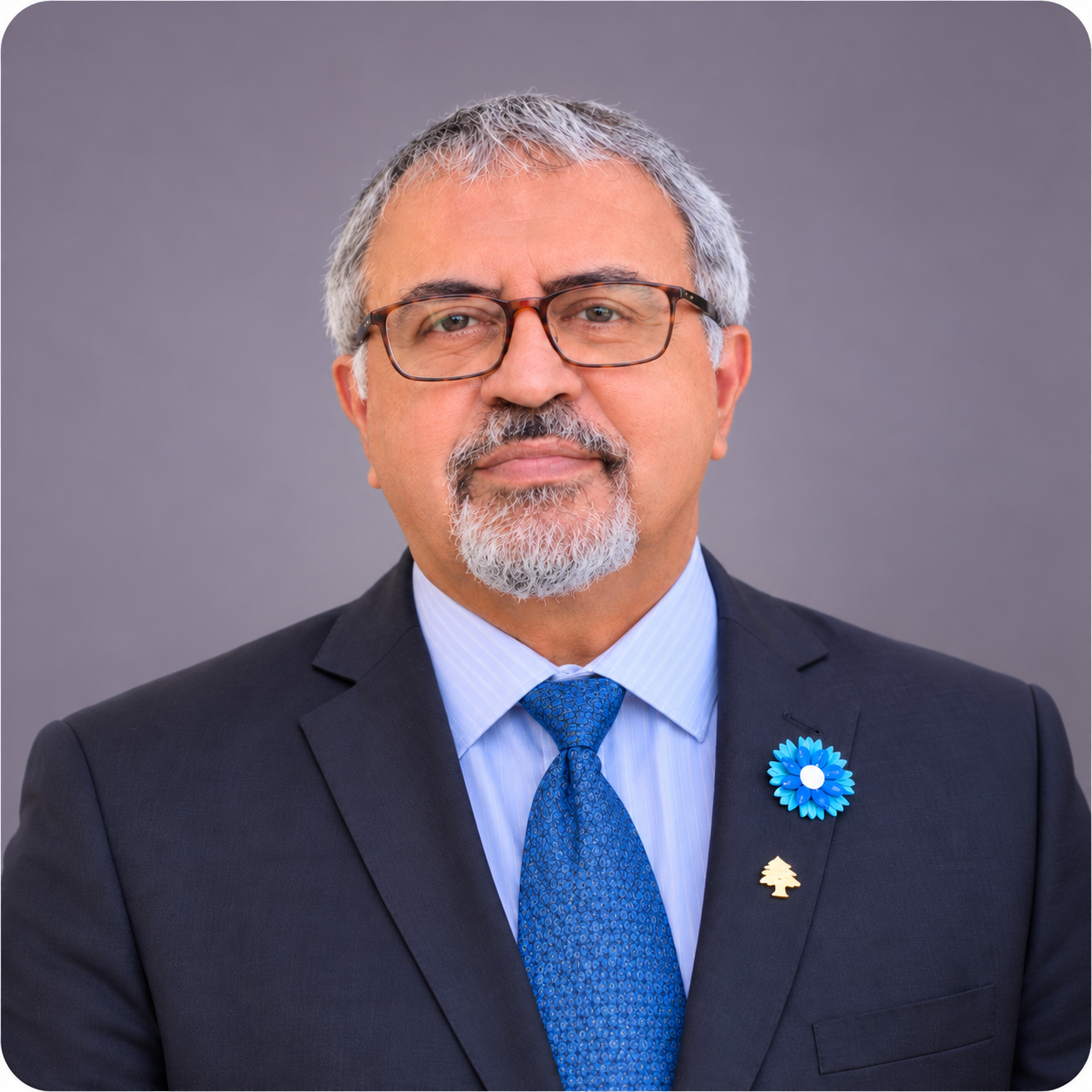
Joseph Maroun
Expert in Cultural Diplomacy, Francophonie and International Cooperation -Vice-President in charge of Oceania and the Pacific
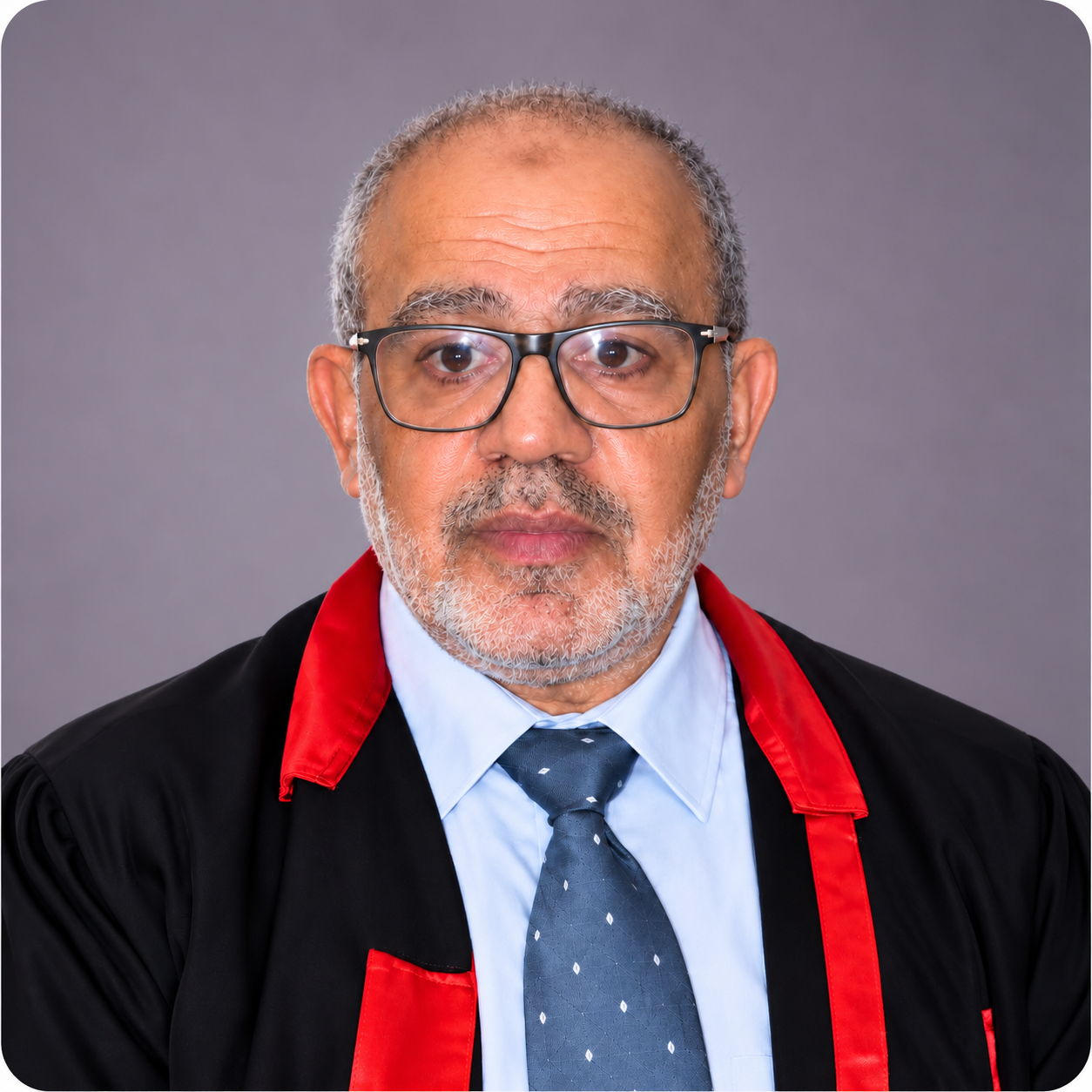
Oussama Mohamed Nabil Ali
Professor Emeritus at Al-Azhar University in Cairo - Director of the Academic Division

Lionel Le Gloanec
Expert in Territorial Resilience, Energy Transition, and Environmental Transition -Director of the Nexus Pole
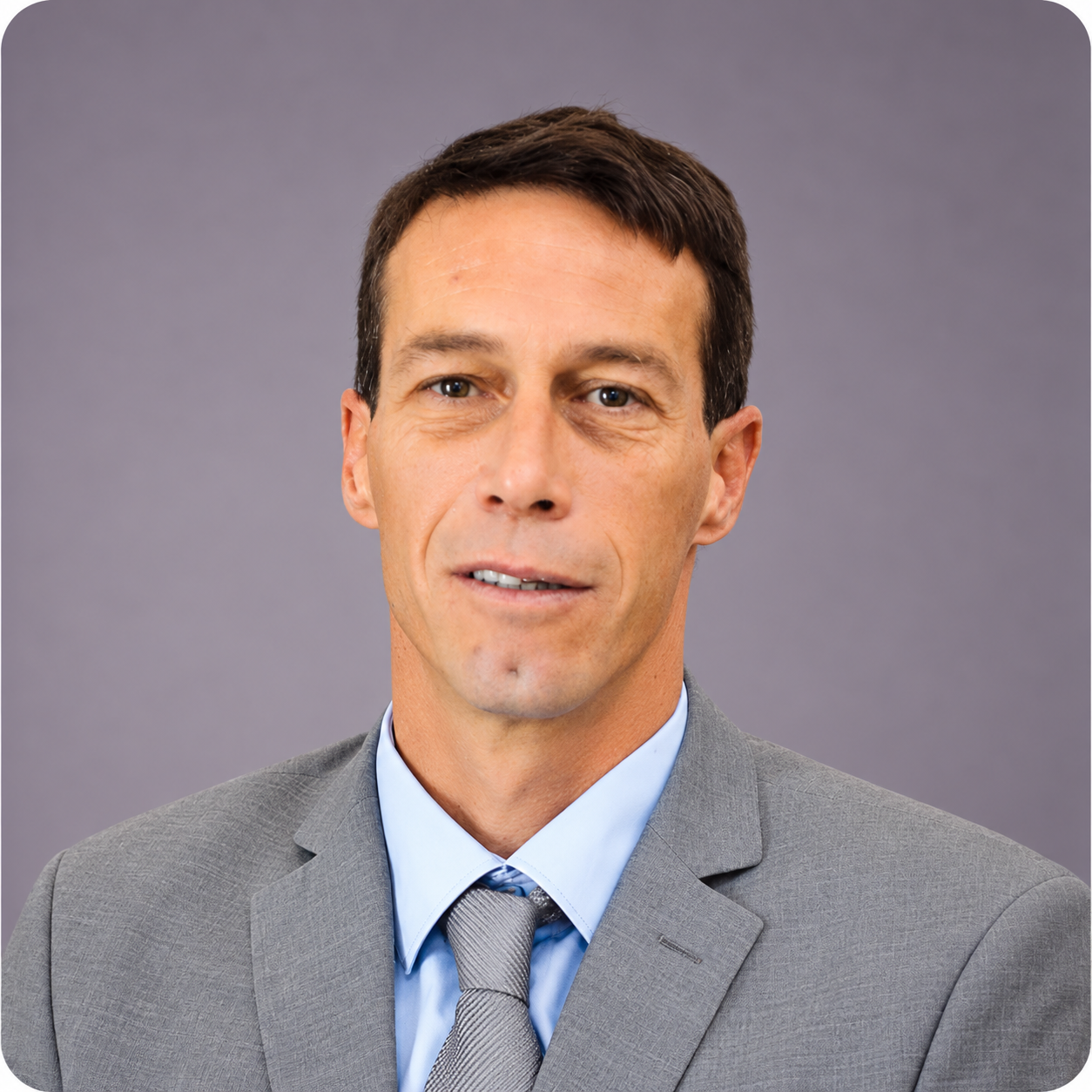
Salim Rabbani
Expert in Strategy, Supply Chain, and Performance Management - Director of the Negentropic Industry Division
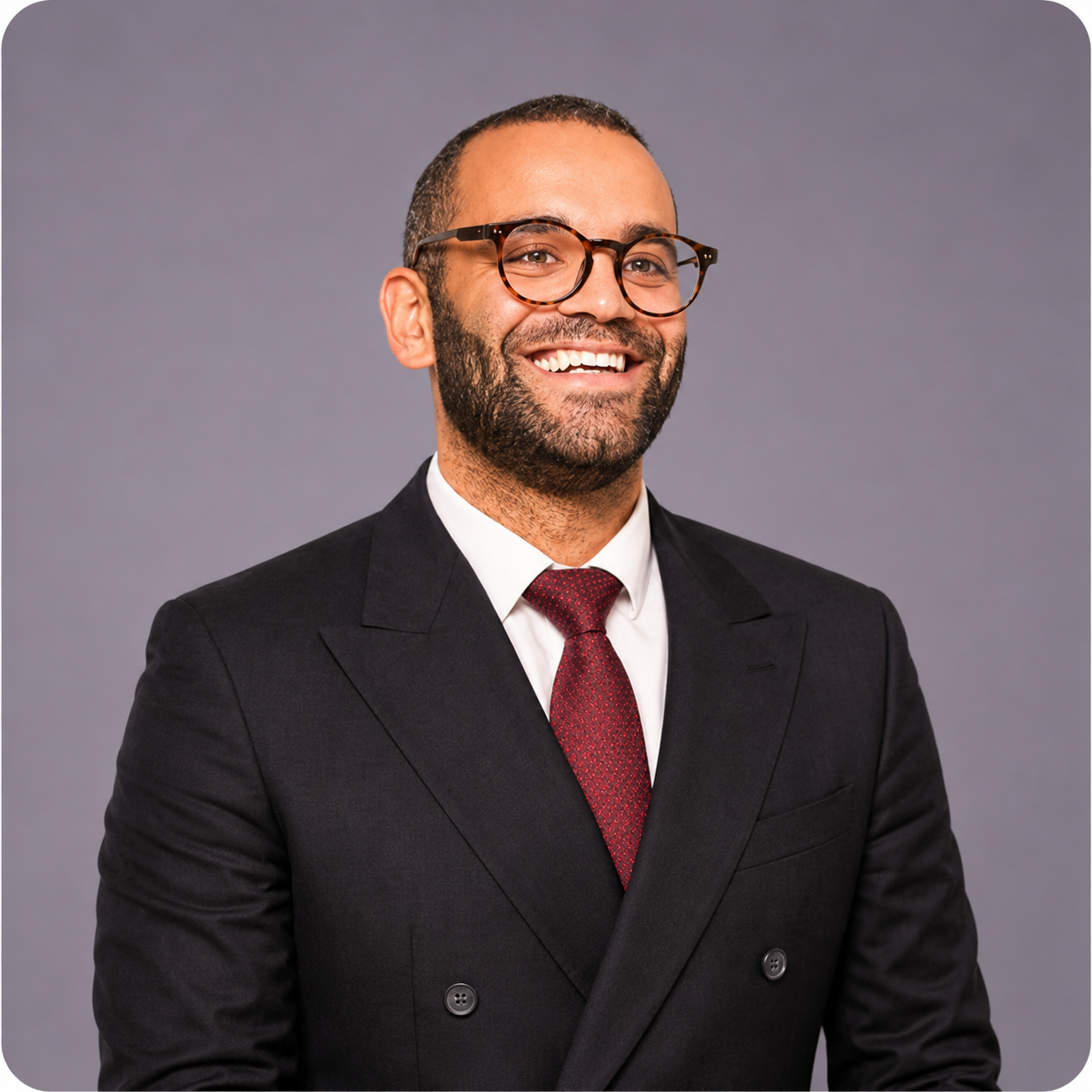
Karim Mourtada
Expert in International Transaction Structuring and Project Finance -Executive Director of the Conflict Prevention and Resoluti on Division

Wafae Aziz
Expert in Strategic Coordination and Development - Secretary General

Alice Vittoz
Chartered Accountant, Specialist in Financial Engineering, Governance and Strategic Business Advisory - Treasurer
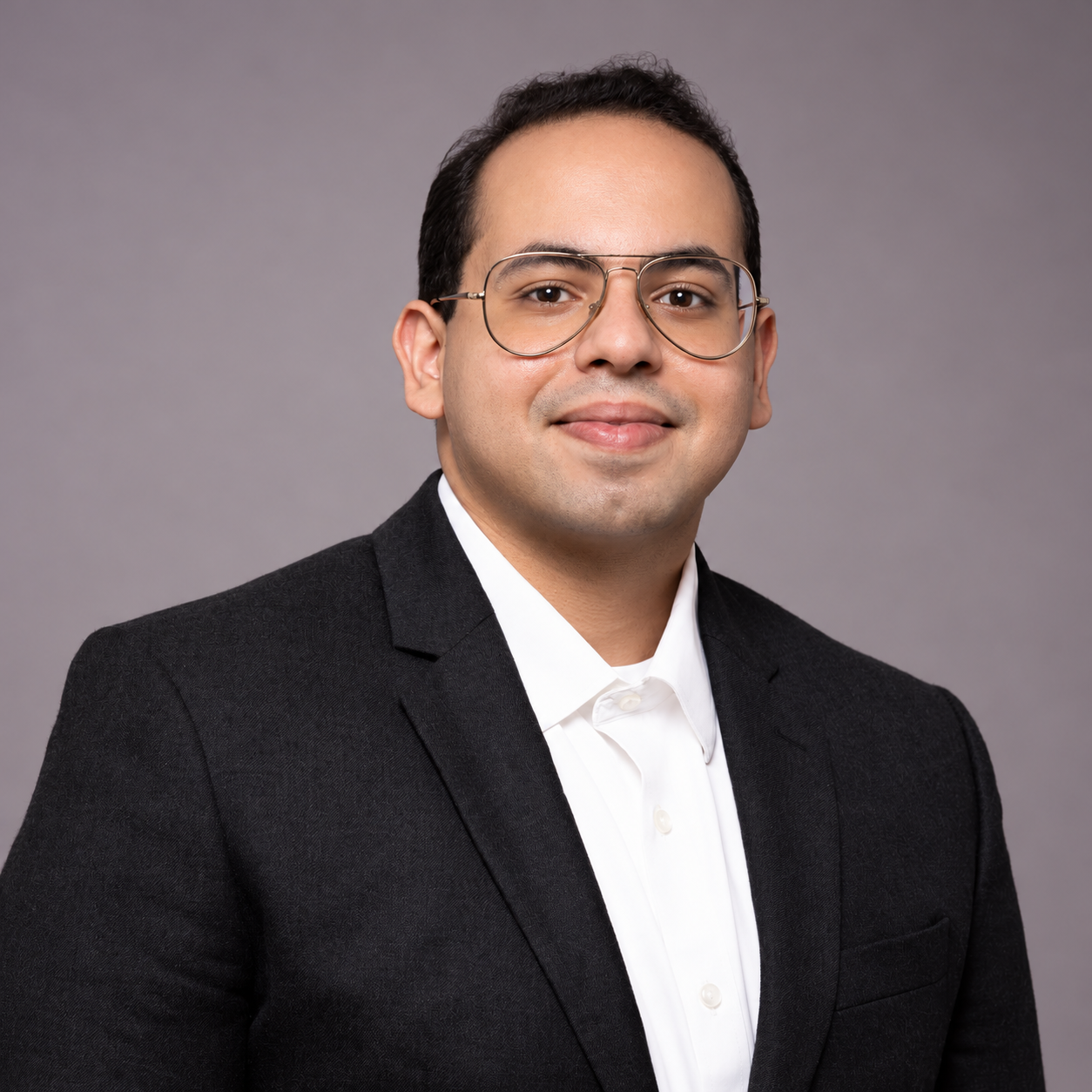
Othman Mandour
Expert in Strategy and International Development - Deputy Secretary General in charge of coordinating the IIEG’s Divisions

Alexandre Aoun
Independent Geopolitical Analyst specializing in the Middle East - Associate Expert
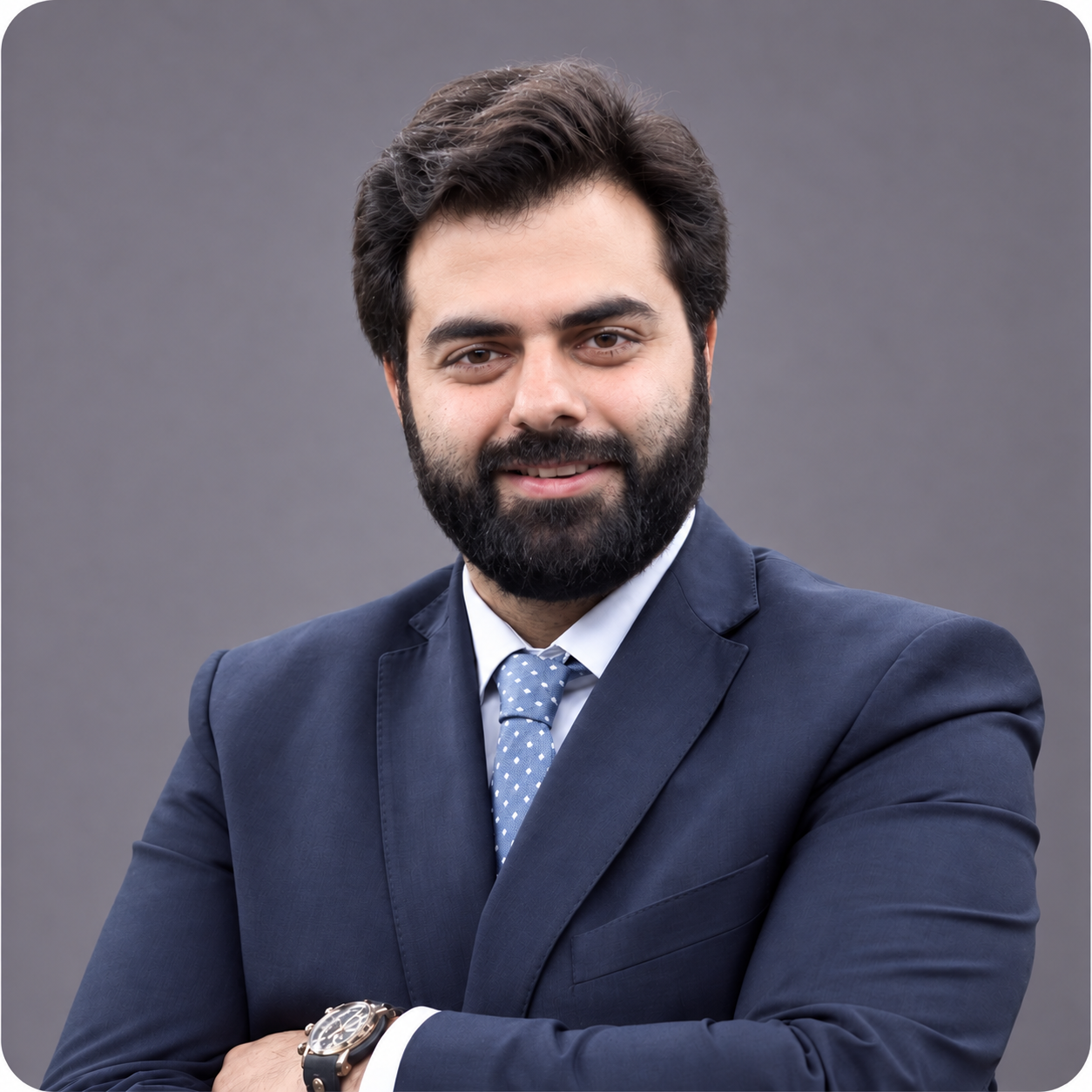
Cyril Badaoui
Lebanese Expert in International Law, Development Policy and Geopolitics, and Diplomat at UNESCO -Associate Expert
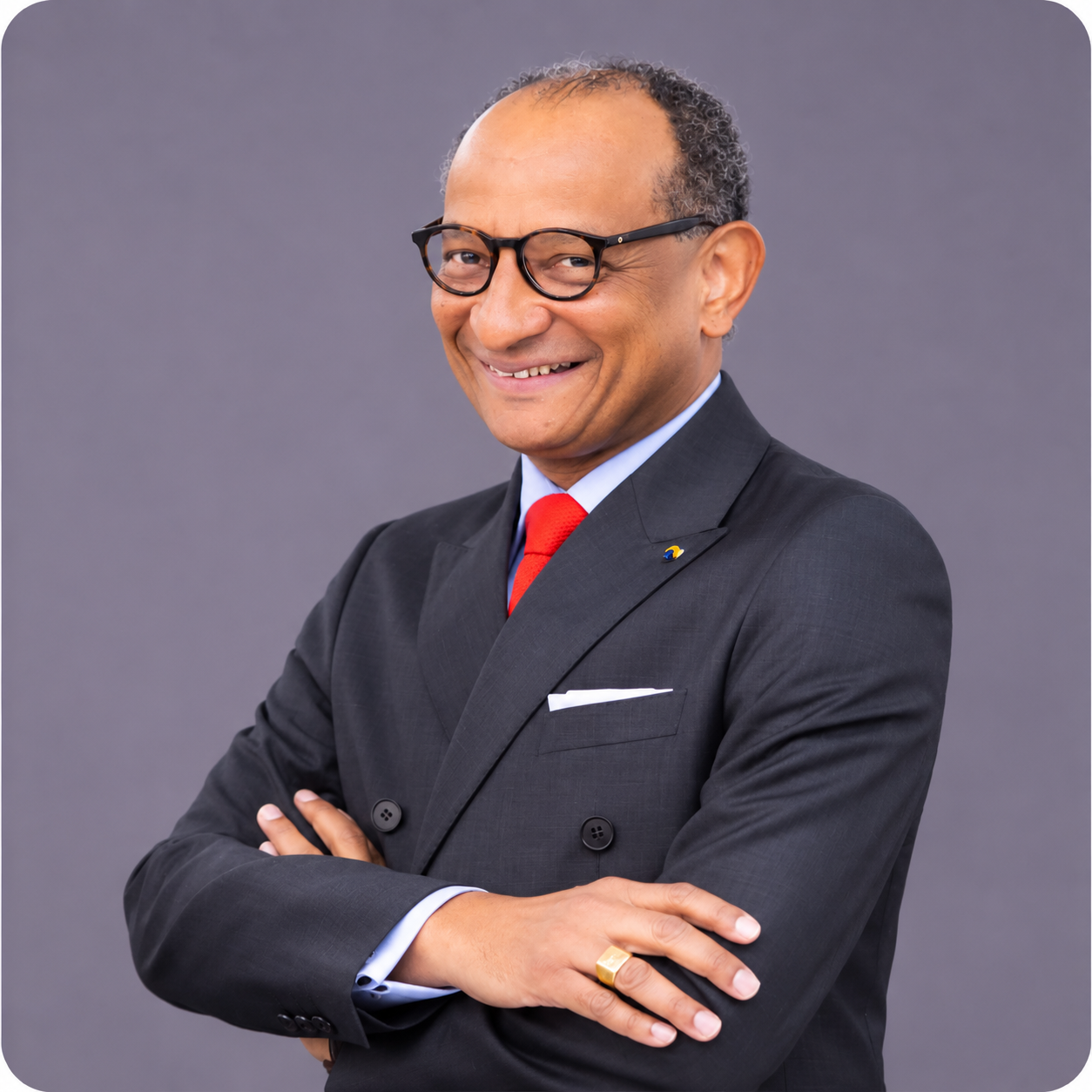
Guy Rossatanga-Rignault
Mediator of the Republic and Defender of Rights of Gabon, Professor of Law and Political Science, Expert in Institutional Governance and Constitutional Law - Associate Expert
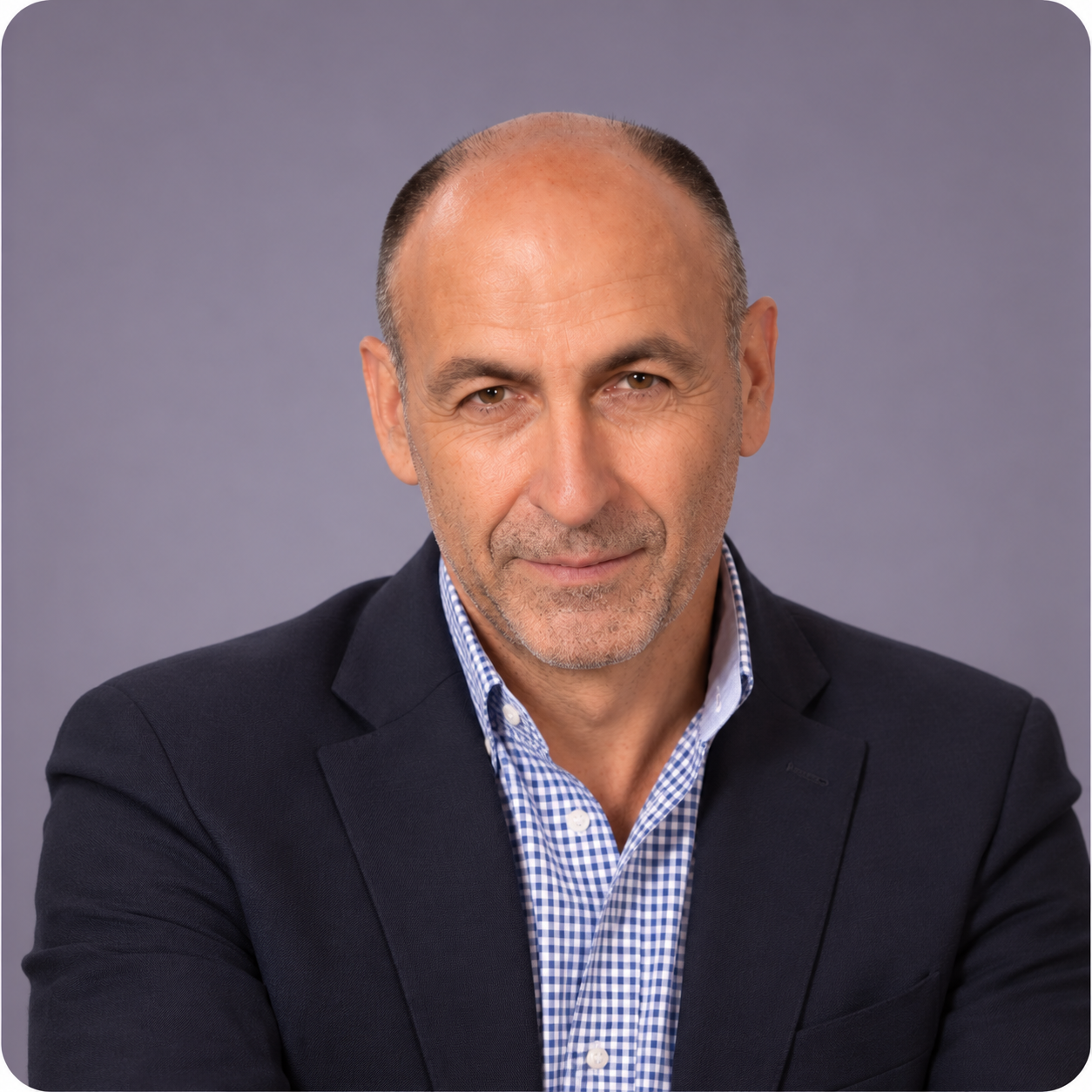
Jacques Le Courtes
International Expert in Vegetation Engineering and Ecological Rehabilitation - Associate Expert

Jean Isbecque
Specialist in Soil Science, Permaculture and Soil Regeneration -Associate Expert

Laura Geogelin
Climate, Adaptation and Territorial Resilience Coordinator - Associate Expert
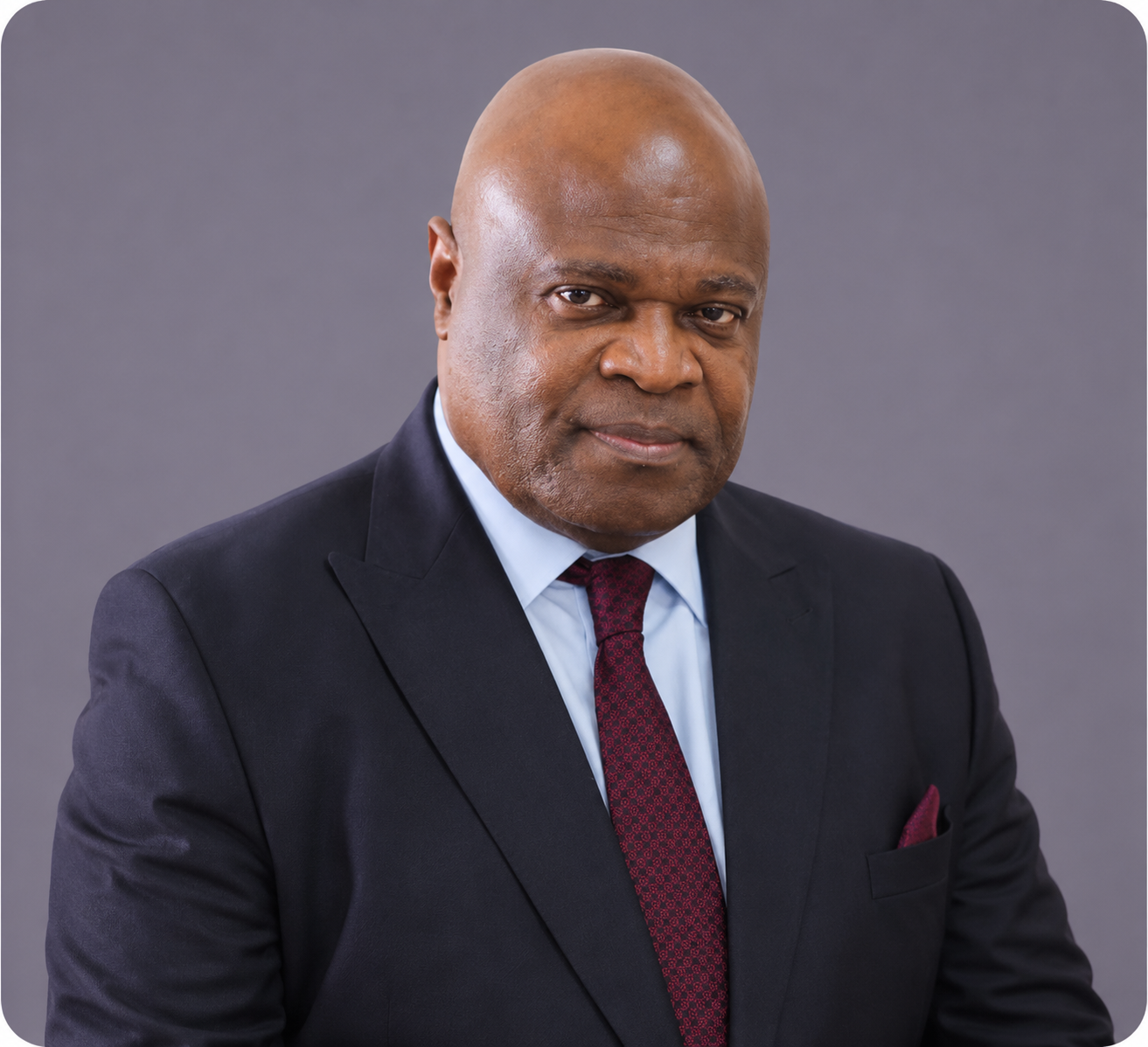
Louis-Marie BOUAKA
International Expert in Human Rights, Public International Law, Democratic Governance and the Protection of Fundamental Rights - Associate Expert

Thierry Burlot
Expert in Water Governance, Environmental Policies and Sustainable Natural Resource Management - Associate Expert
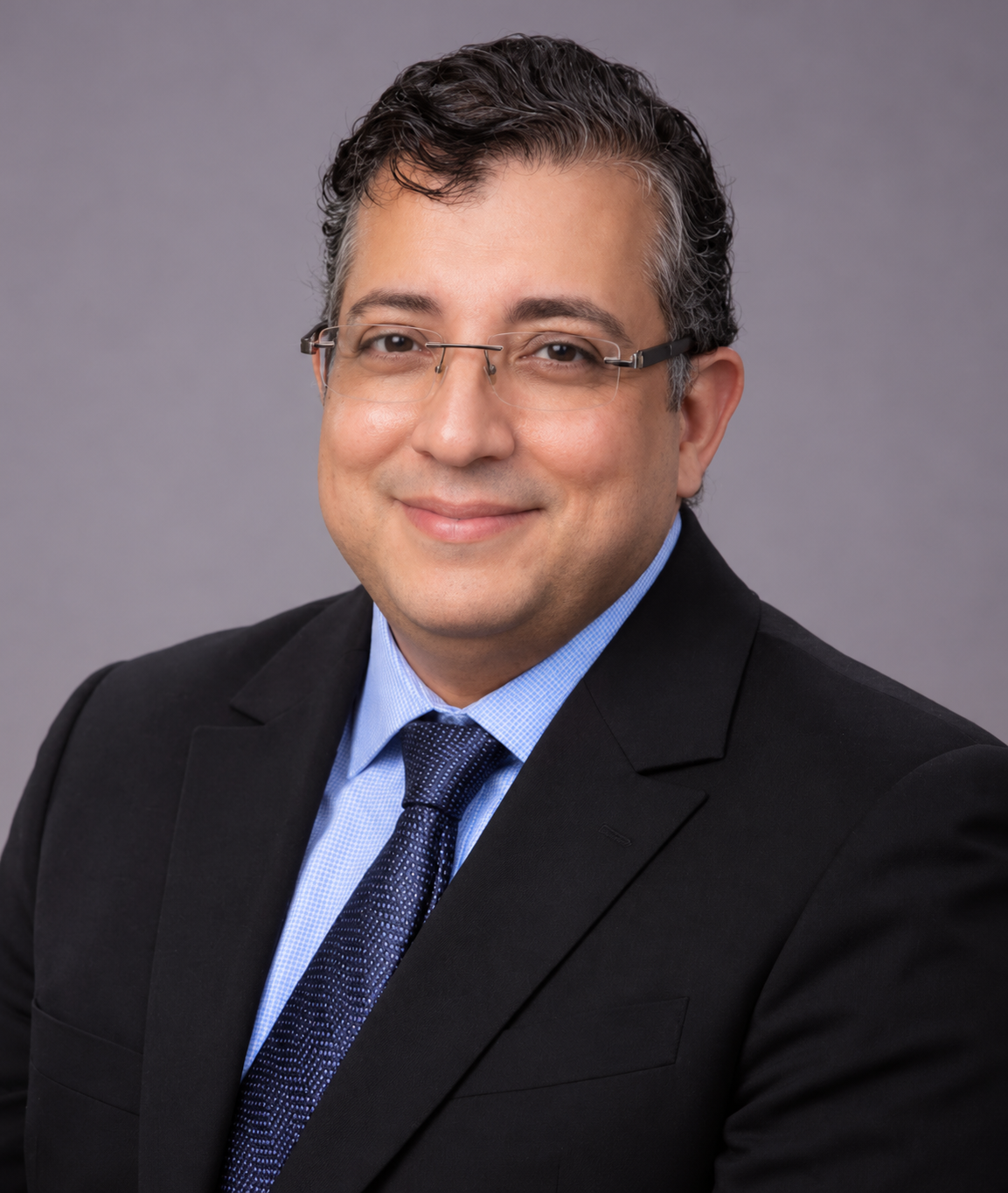
Yassine Gamal
Expert in Geopolitics, Geoeconomics, Governance and Development Strategies - Associate Expert
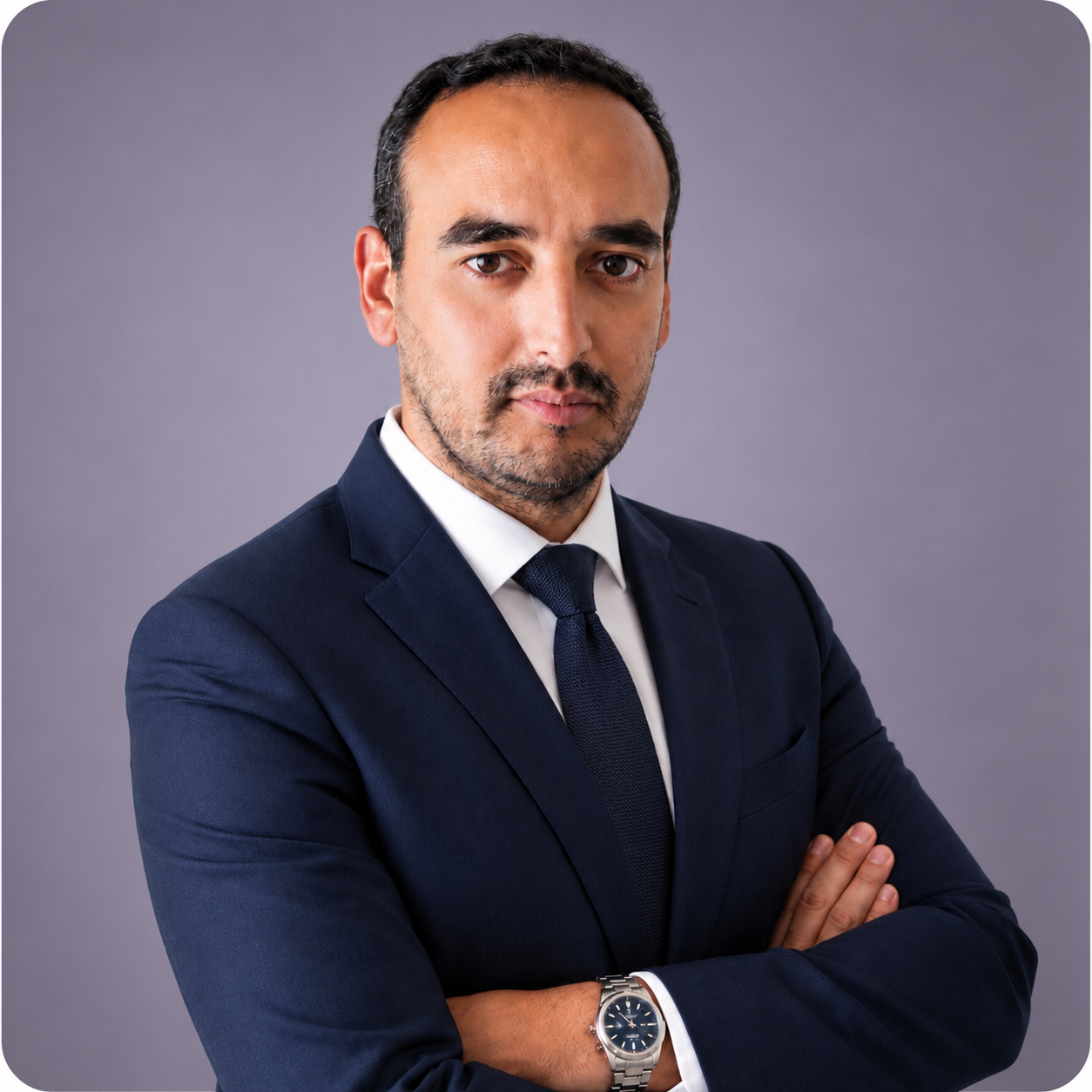
Anas Abdoun
Strategy Advisor specializing in Geoeconomics, Geopolitics, and Strategic Development - Associate Expert

Laurent Christian Mamilo
Expert in Communication and Marketing Strategies - Associate Expert

Fatima-Zahrae Sotor
PhD Researcher & Associate Lecturer | Academic Pole
Create a free account to access monthly geopolitical analyses in 3 languages, and download them as PDF for offline reading.