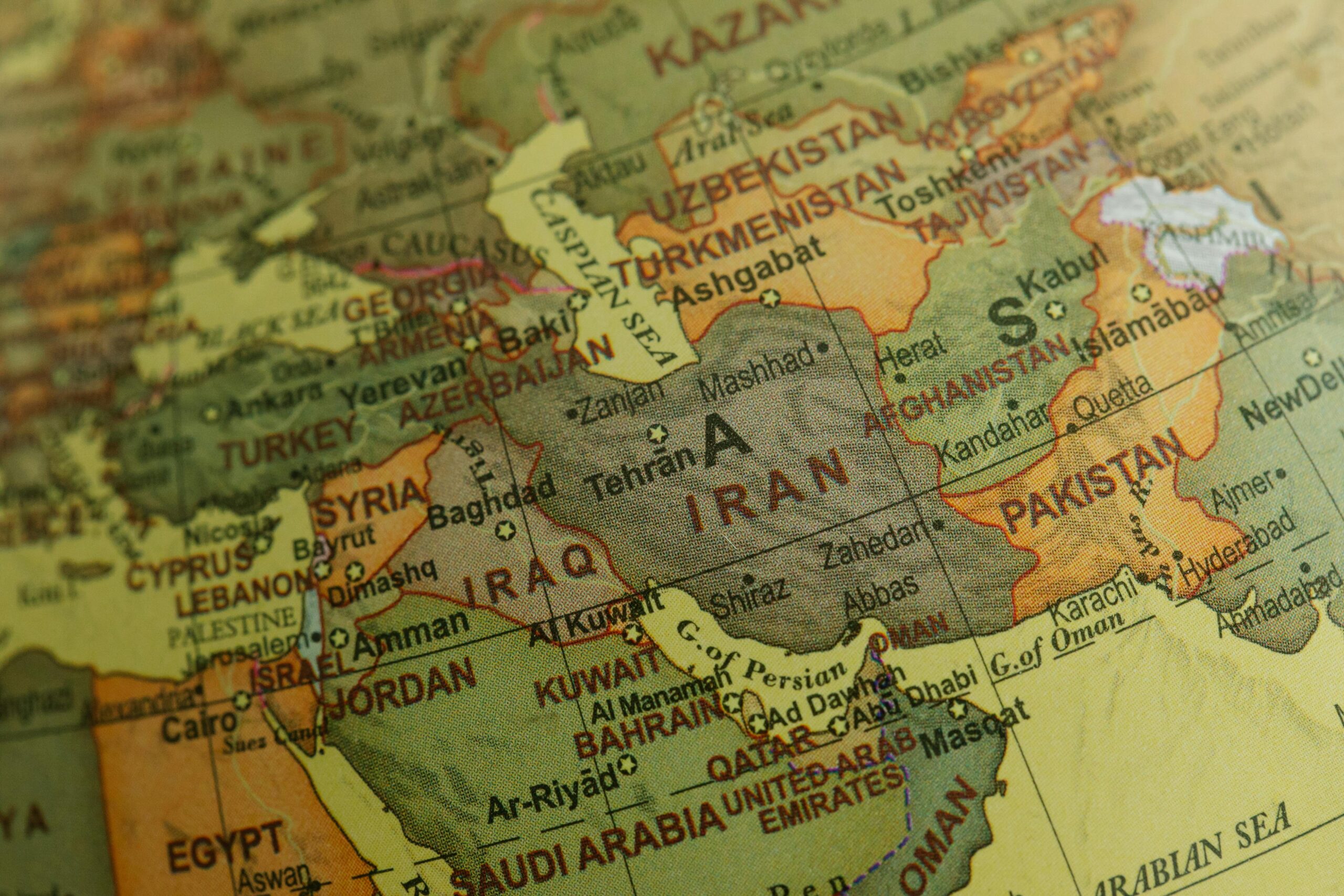
As the conflict between Israel and Iran reached a new threshold in June 2025, the international community can no longer be satisfied with calls for “restraint”. The time has come to demand one simple but fundamental thing: the rigorous application of international law. Otherwise, the Middle East - and beyond - risks sinking into a spiral of lasting instability.
China and Russia: between calculation and ambivalence
China, self-proclaimed mediator of a new regional order, pleads for stability. But its position remains unclear. Preserving its energy interests or its bilateral relations cannot justify silence in the face of the violation of international humanitarian law or preventive aggression. If it wants to be seen as an actor for peace, Beijing must clearly commit to a resolution based on legality. Russia, for its part, is juggling between strategic solidarity with Tehran and concern to preserve its hold on Syria. This ambivalence weakens his credibility as a mediator. Supporting state sovereignty while tolerating extraterritorial strikes goes against the very principles it claims in other theaters of war.
Israel faces its strategic contradictions
The Israeli offensive against Iranian infrastructure, presented as a national security measure, constitutes a serious attack on international standards if it is not justified by a clearly established, imminent threat. It has weakened ongoing diplomatic efforts, accentuated regional divisions, and alienated powers that, until now, supported Israel on the world stage. By freeing itself from multilateral frameworks, Israel strengthens the arguments of its adversaries and compromises its own long-term security. International law, far from being an obstacle, could be its best ally in breaking the current impasse.
High-risk regional consequences!
Tensions have already extended beyond the two direct protagonists.
Armed groups have intensified their actions in various hotspots in the region, worsening the humanitarian situation and threatening trade routes.
This dynamic escapes any centralized control, and can only be contained by a collective response, based on international legality.
Demand more than diplomacy: justice
Faced with this situation, three requirements must guide the global response:
- Respect for international humanitarian law, including the protection of civilians and the prohibition of indiscriminate reprisals.
- A return to multilateral dispute resolution mechanisms, particularly under the aegis of the United Nations.
- Regional mediation accompanied by legal guarantees, rather than one-off and ambiguous security agreements.
The law as the only defense.
This conflict is not inevitable. But it cannot be contained by realpolitik alone. The only credible way to avoid a regional conflagration and lasting fragmentation of the Middle East is to place international law at the center of diplomatic responses. Silence, ambiguity or indulgence with regard to current violations will tomorrow be collective renunciations.